
French Basketball Exodus to NCAA: A Hemorrhage That’s Accelerating
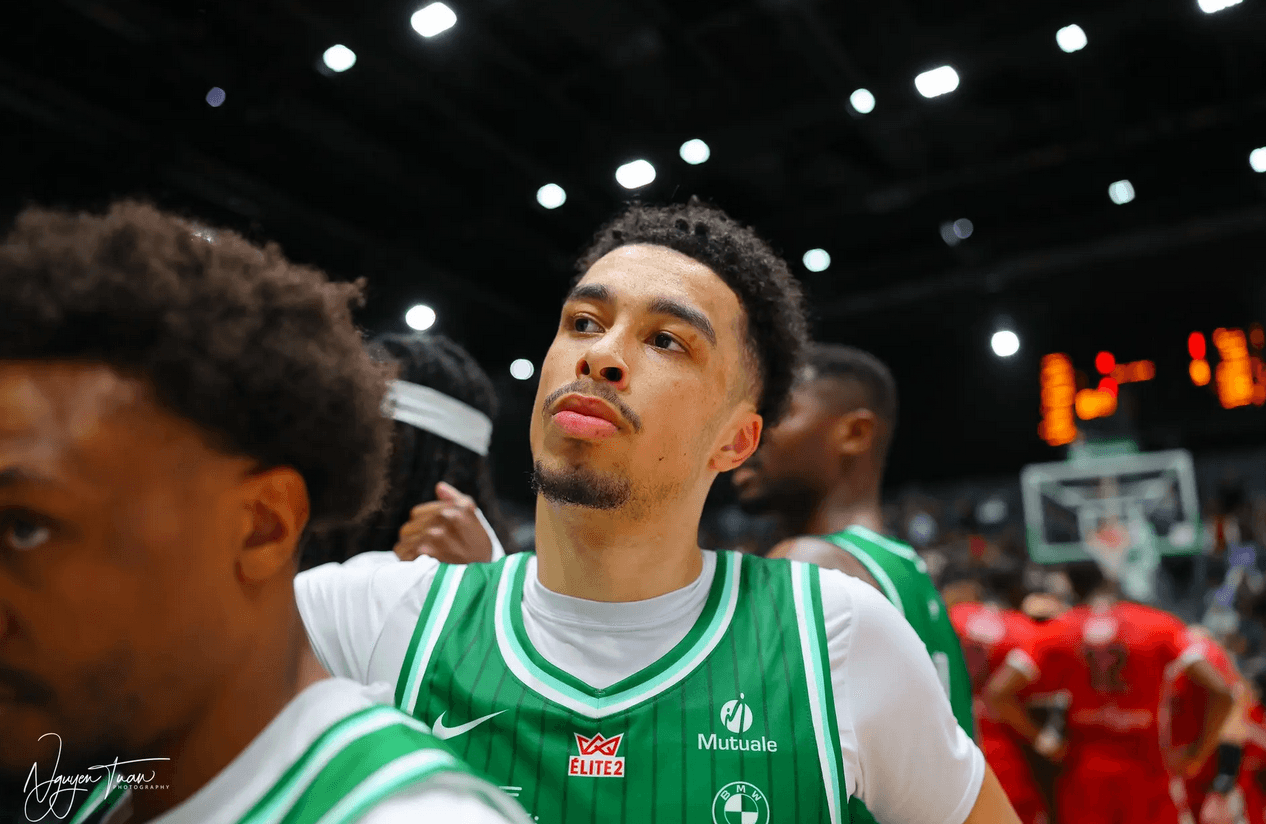
Will Talis Soulhac be able to resist the interest from NCAA programs like Murray State Racers and stay in France? That seems unlikely. Photo Credit: Tuan Nguyen
It was supposed to stay on the margins — a handful of outliers chasing the American dream, packing their bags for faraway campuses. An exotic trend, nothing more. Something that would regulate itself. As recently as two years ago, French decision-makers were still talking themselves into it: “It’ll stabilize.”
It didn’t. It accelerated — quietly at first, then all at once.
In just two seasons, the NCAA Division I Men’s Basketball has turned into something else entirely for young French prospects — the kind of gravitational pull you don’t really fight, you just delay. The comparison to the Premier League isn’t accidental. This is a new El Dorado. One built not just on exposure, but on structure, visibility, and, most of all, money.
Because that’s the real shift. With the rise of NIL deals, top prospects can now earn salaries that dwarf what even the best Betclic ELITE clubs are willing — or able — to offer. We’re not talking about marginal gains. We’re talking about a completely different economic reality. For an 18- or 19-year-old, the decision becomes less about development philosophy and more about leverage, timing, and opportunity cost.
And on the other side, French development clubs are left exposed. They invest years into building these players — technically, physically, culturally — only to see them leave just as they become valuable. No transfer fee. No structured compensation. Just departure. The system wasn’t built for this kind of movement, and right now, it has no real answer for it.
So what was once a trickle has turned into a pipeline. And unless something shifts — legally, financially, structurally — it’s hard to see it slowing down anytime soon.
The NIL Revolution and Its Impact
The 2021 NIL wave — followed by the introduction of revenue sharing in 2025 — didn’t just tweak the system. It reshaped it. What used to be amateur in structure is now something much closer to a professional ecosystem. The NCAA Division I Men’s Basketball operates with scale and flexibility that’s hard to match: 350 programs, roughly 5,800 roster spots opening every year, no nationality limits, and — for the biggest schools — financial firepower with few real constraints. Against that kind of machine, French labor law, with its rigid fixed-term contracts and protective framework, starts to look less like a shield and more like a sand barrier.
And then you get cases like Narcisse Ngoy.
The 2.10m center, turning 22 on April 13, won’t be back with JL Bourg next season. After dominating LNB Pro B — 11.7 rebounds, 2.6 blocks, 70% shooting — he’s heading to Auburn Tigers men’s basketball for the 2026–2027 campaign. The reported NIL deal? Close to $1.9 million, translating to more than €900,000 net. At that point, the conversation changes. It’s no longer about potential — it’s about immediate, life-altering economics.
For Bourg, it lands like a shockwave. Ngoy wasn’t just another piece — he was supposed to anchor the next phase of the project, locked in through 2029. The club had even taken precautions, avoiding any exit clause for the summer of 2026. But structure only goes so far when the environment shifts this fast. As it stands, no financial agreement has been reached. Bourg is asking for €300,000 in compensation for the breach of his fixed-term contract — a clause that, notably, falls on the player himself.
And that’s where the tension sits right now: between a system built on contractual stability, and another driven by fluidity, opportunity, and money that moves faster than the rules designed to contain it.
The Broader Implications
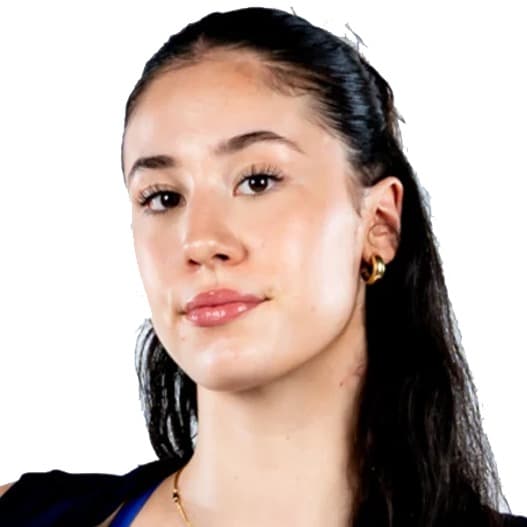
The phenomenon doesn’t spare French women’s basketball either. It has caught up at full speed, with even greater brutality for the clubs concerned. Alicia Tournebize is the most striking example. The French player joined South Carolina mid-season for over 400,000 dollars annually. The gap is staggering. A player competing in Boulangère Wonderligue can literally change worlds in a few weeks: going from a salary of a few hundred euros per month to several hundred thousand dollars per year.
There’s also a system limitation to note: for European prospects, the NCAA isn’t yet the royal road to the NBA — the classic professional circuit remains more direct for those aiming for the big league. In 3 to 4 years, the natural cycle should partially close: training in Europe, NCAA passage, return to the classic professional circuit. But until then, French clubs will have to hold on with fewer players, less competitiveness, and weakened economic balance.









Comments (0)