

WNBA sets March 10 deadline for new CBA to preserve 2026 season schedule
Collective Bargaining Agreement - The WNBA has established a firm March 10 target date for completing collective bargaining negotiations with the WNBPA, as the league warns that further delays could disrupt the upcoming 2026 season schedule and critical offseason activities.
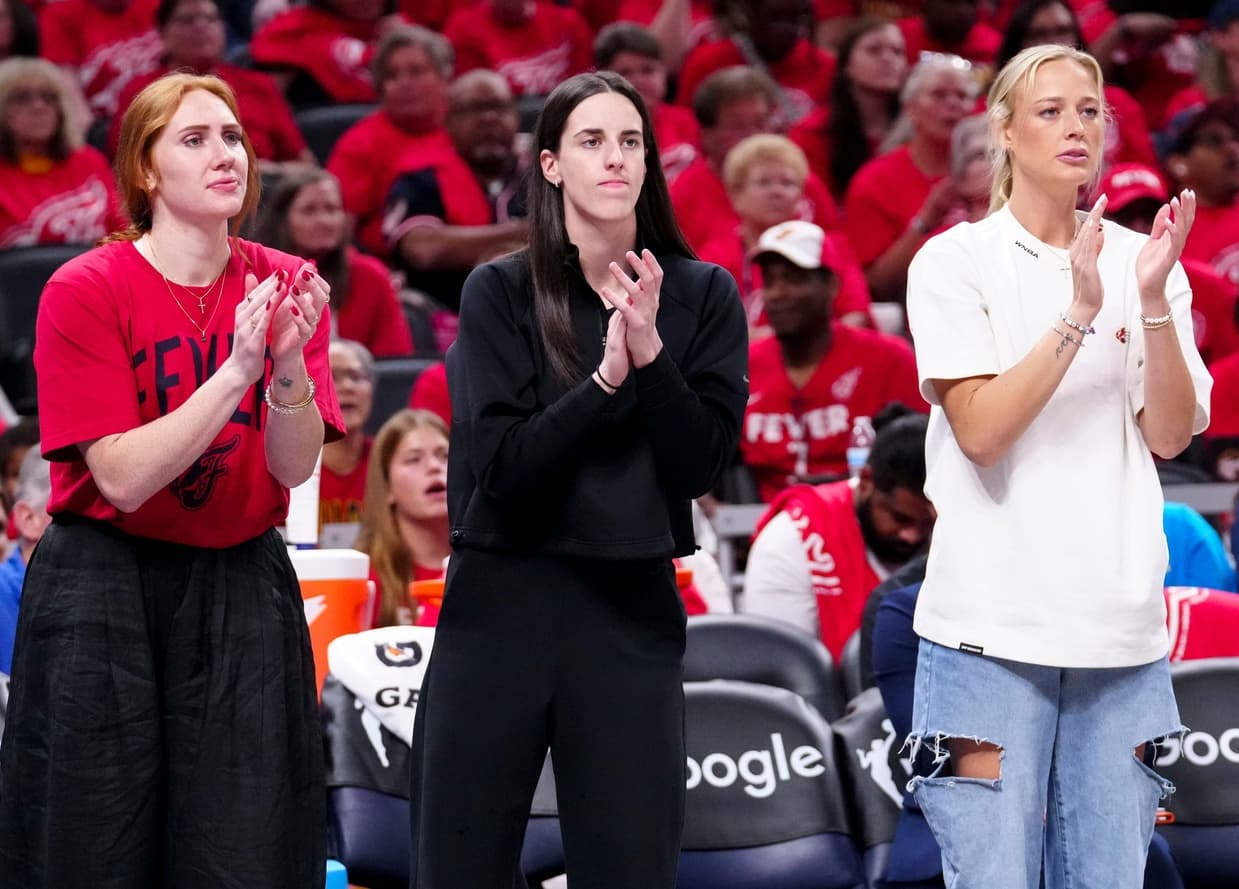
Indiana Fever forward Chloe Bibby (55), guard Caitlin Clark (22) and guard Sophie Cunningham (8) cheer during Game 4 of the WNBA semifinals on Sunday, Sept. 28, 2025, at Gainbridge Fieldhouse in Indianapolis. The Fever defeated the Aces 90-83.
Photo Credit : © Christine Tannous/IndyStar / USA TODAY NETWORK via Imagn Images
The WNBA delivered a clear message to stakeholders on Monday, setting March 10 as the crucial deadline for reaching a new collective bargaining agreement. Without a deal by that date, the league warned that the 2026 season schedule could face significant disruption, adding urgency to negotiations that have already stretched 16 months.
During a virtual meeting Monday morning, WNBA representatives including league staff, the labor relations committee, and owners met with over 50 players for the second bargaining session this month. The league shared the March 10 target date while both sides continued discussing their conflicting positions on key issues that have stalled progress.
Critical offseason activities at risk
The March 10 deadline represents the first concrete timeline the league has provided as negotiations have dragged on and already disrupted normal offseason operations. Even after reaching an agreement, the formal ratification process could take several additional weeks, further compressing the timeline.
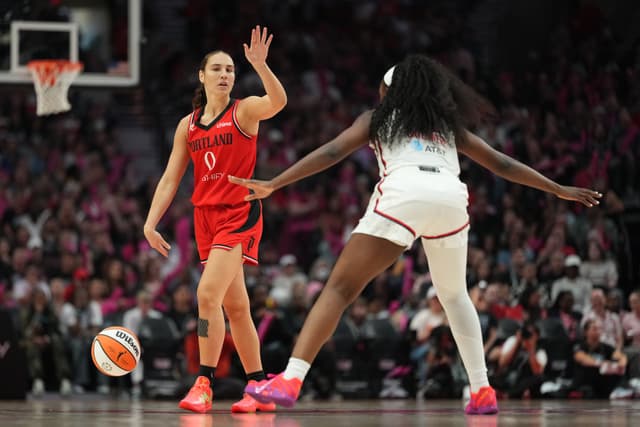
The WNBA faces a packed schedule of essential activities before the season begins. The league must conduct a two-team expansion draft for the Toronto Tempo and Portland Fire, followed by free agency involving 80% of the league’s players. Training camp is currently scheduled to begin April 19, with the college draft set for April 13 and the regular season tipping off May 8.
« Often, things tend to get done at the 11th hour, » NBA commissioner Adam Silver said of the WNBA talks at NBA All-Star Weekend on February 14. « We’re getting awfully close to the 11th hour when it comes to bargaining. »
Revenue sharing remains primary sticking point
The two sides continue to clash over fundamental issues, particularly how a new revenue sharing system should operate. Housing provisions, traditionally provided by teams but absent from the league’s original proposals, have emerged as another major point of contention.
Recent developments have added complexity to negotiations. The union announced Monday that the WNBA generated sufficient revenue in 2025 to trigger revenue sharing with players, with $9.25 million from licensing revenue set to be distributed. « This shows our value and how what we’re fighting for makes sense and how we should keep fighting, » WNBPA treasurer Brianna Turner said.
The WNBPA maintains significant leverage, having authorized its executive committee to call a strike « when necessary » back in December. The union is now planning leadership meetings to discuss next steps, including their response to the league’s most recent proposal from Friday. After a six-week stalemate early in 2026, both sides have resumed exchanging proposals following the expiration of their previous agreement on January 9.


Sylvain Sultat follows the NBA on a daily basis, covering individual performances, team dynamics, and the league's greatest stories. On Be-Basketball, he breaks down the latest American basketball news with passion and consistency, always on the lookout for the trends shaping the world of basketball.


Comments (0)