

The Stakes of an Upcoming NBA Expansion
NBA expansion to Seattle and Las Vegas presents major economic advantages but raises questions about talent dilution and competitive impact for the 2028-2029 season.
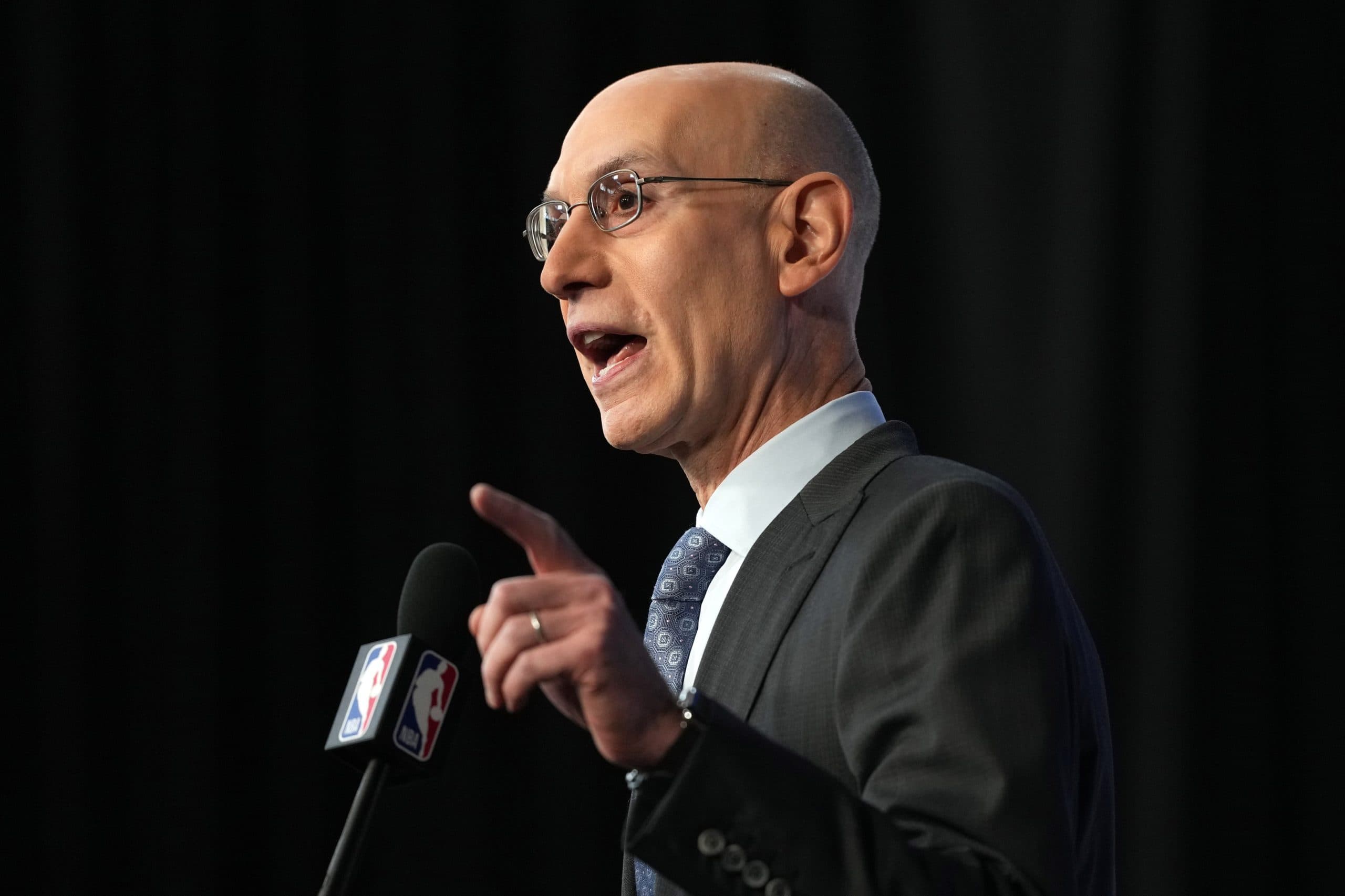
Photo Credit : © Kirby Lee-Imagn Images
The NBA officially begins the expansion process toward 32 franchises, with Seattle and Las Vegas as preferred destinations to host the new teams starting in the 2028-2029 season. Although Adam Silver has not completely confirmed these two cities, this dual expansion now seems inevitable.
This historic decision represents a colossal financial opportunity for the league. Expansion fees could reach eleven-figure amounts, not counting increased television revenues and an expanded fan base. Seattle, with its Sonics fans who have long awaited their team’s return, guarantees an enthusiastic reception. Las Vegas presents a more uncertain market, particularly regarding the public’s ability to support a traditionally weak expansion team during its first seasons.
Sporting and Economic Challenges to Overcome
The expansion nevertheless raises legitimate concerns. While the NBA currently has exceptional talent depth thanks to basketball’s globalization, the number of true superstars remains limited. Adding two franchises could dilute this impact and leave some teams without leaders capable of maintaining competitive projects.
The expansion draft promises to be a fascinating spectacle, allowing the two new teams to alternately select 15 players, one per existing franchise. This transparency will force established teams to make difficult choices with only eight protection spots available. Recent history shows that expansion franchises can intelligently use their position of strength to negotiate advantageous deals.
The NBA will hold a vote next week to explore adding expansion teams in Las Vegas and Seattle, per @ShamsCharania
Details:
– Target start: 2028-29 season
– Projected price tag: $7B – $10B per team
– Either the Timberwolves or Grizzlies would likely move to the Eastern Conference… pic.twitter.com/qVJgrjhpkv— NBA Base (@TheNBABase) March 16, 2026
The expansion could also intensify the tanking phenomenon, with more teams prioritizing losses to improve their draft position. This dynamic risks further devaluing regular season competitiveness, a challenge the league will need to address. The NBA has recently sanctioned several franchises as part of its anti-tanking policy.
Despite these challenges, expansion to Seattle and Las Vegas represents a natural evolution for a growing NBA. Financial success seems guaranteed, but the impact on game quality and competitive balance remains to be determined by 2028-2029.
NBA
Follow
With a background in sports management, Nicolas Flamecourt covers NBA news with a particular passion for the North American league, which he has been following for several years. He also covers the NCAA, including news and scouting of future prospects, and regularly conducts interviews with French players as well as players competing in Europe.











Comments (0)