
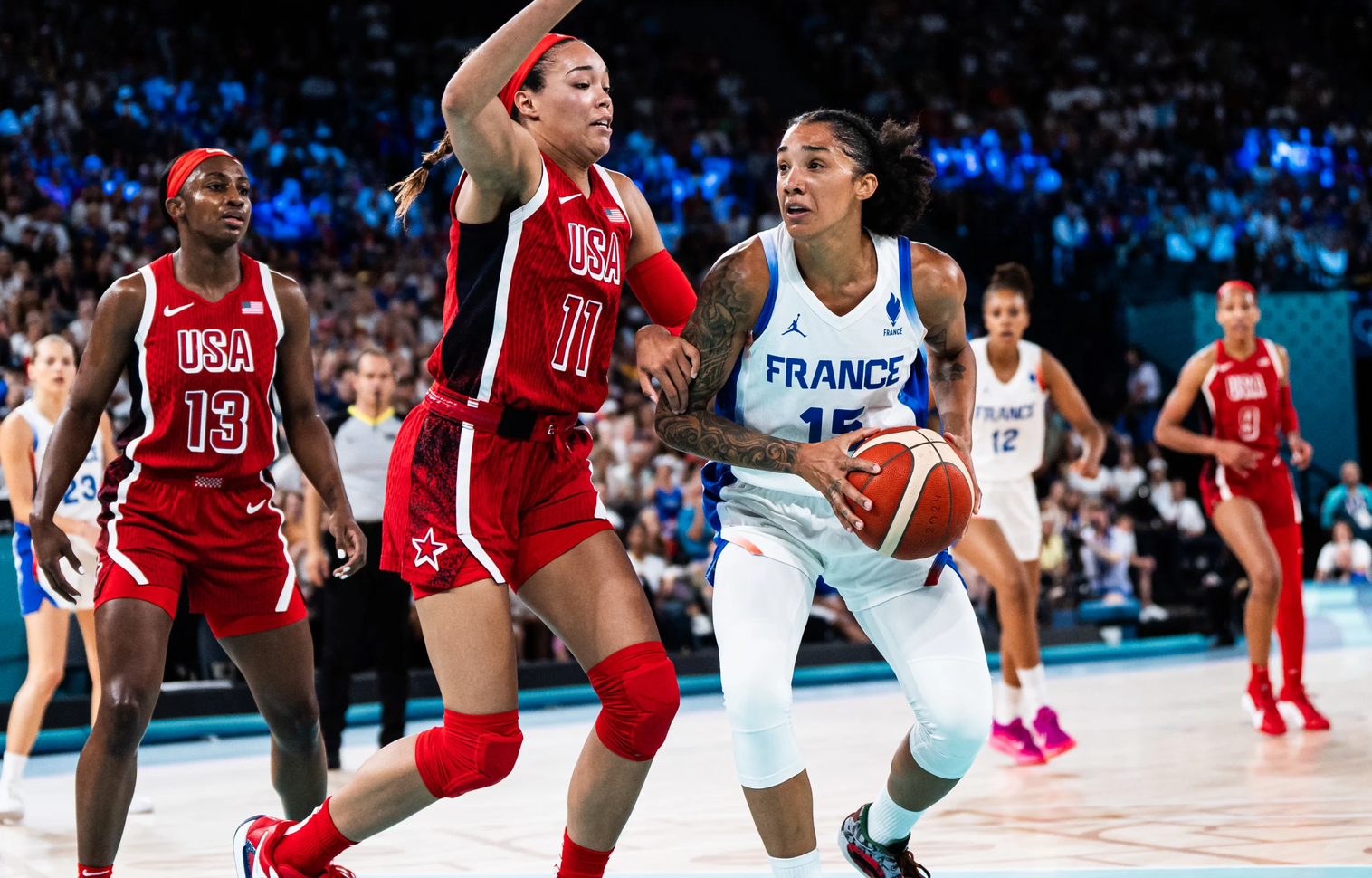
France’s 2026 FIBA Women’s World Cup roster: a breakdown of Les Bleues’ best shot at history
France named its 12-player roster for the FIBA Women's Basketball World Cup on August 29, 2026, with Gabby Williams and captain Valériane Ayayi leading a squad chasing its first medal since 1953 in Berlin from September 4-13.
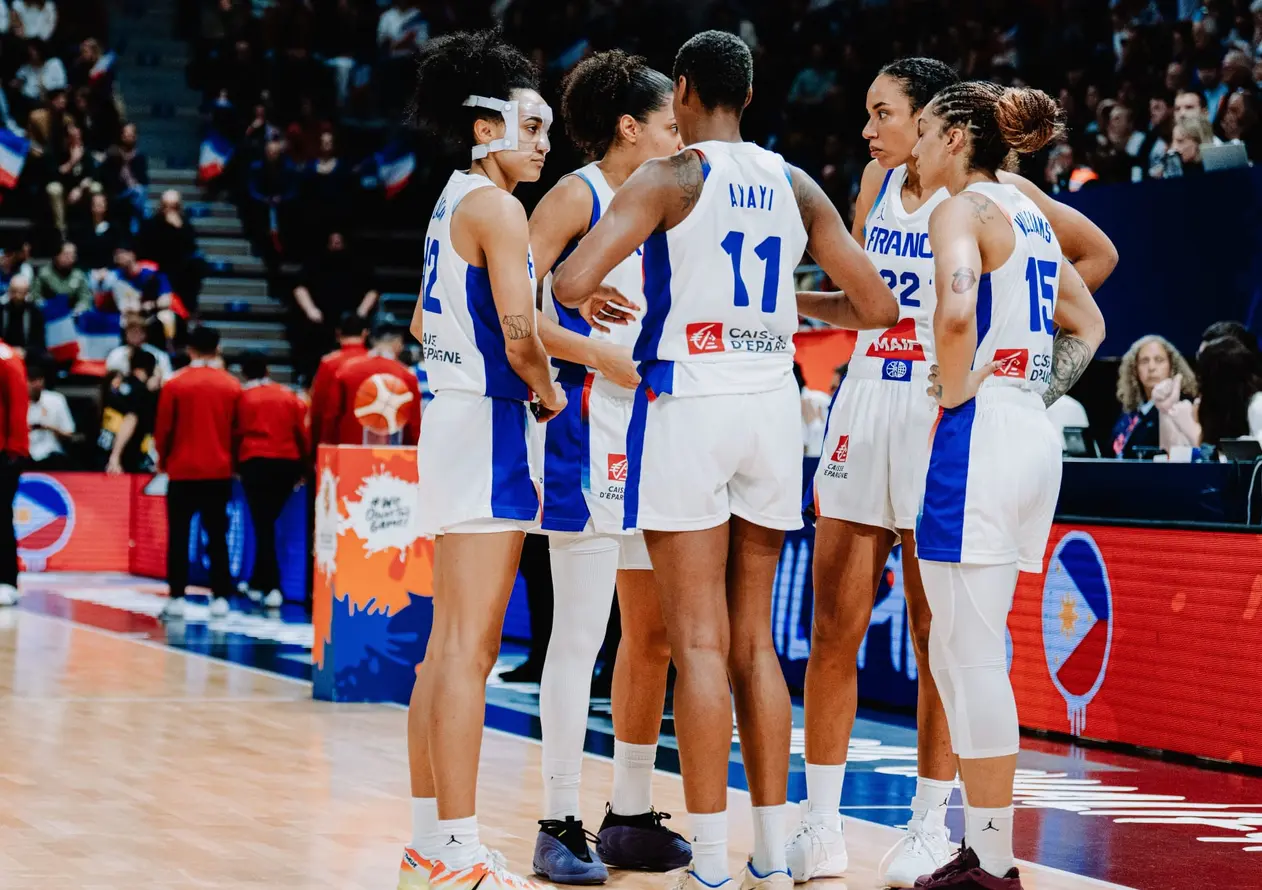
France named its 12-player roster for the FIBA Women’s Basketball World Cup on August 29, 2026, with Gabby Williams and captain Valériane Ayayi leading the squad Photo Credit: FIBA
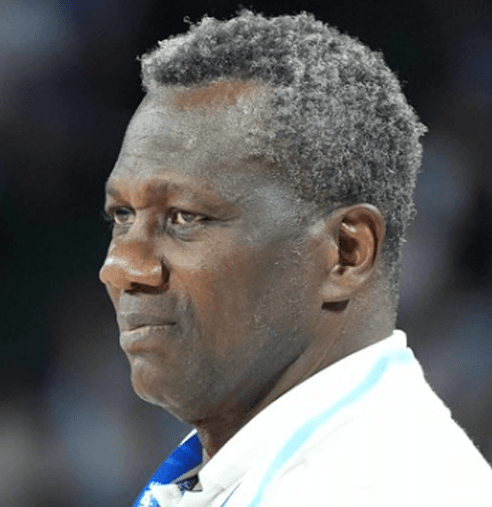
France arrives in Berlin as the No. 2 team in the FIBA world ranking, fresh off an Olympic silver medal in Paris 2024, and carrying a roster FIBA described as one that “could be considered by many as one of their most talented of all-time,” according to FIBA’s own announcement of the final selection. Head coach Jean-Aimé Toupane, who guided Les Bleues to that Olympic final and to bronze at EuroBasket Women 2023, has built a squad that blends the veterans who nearly beat Team USA two summers ago with a wave of young talent that includes a No. 2 overall WNBA draft pick. The gap between that talent and France’s actual results at this specific tournament, though, is the story that frames everything else.
The 12 names Jean-Aimé Toupane picked, position by position
The backcourt is the deepest unit on the roster. Pauline Astier (1.79m, 24 years old) of ZVVZ USK Praha joins Romane Bernies of BLMA, Marine Johannes of Galatasaray Cagdas Factoring, Leila Lacan of Basket Landes, Carla Leite of the Portland Fire, and Migna Toure of Besiktas BOA, according to the squad list published by Olympics.com. That’s six guards for a 12-player roster, a group built around ball movement and shot creation.
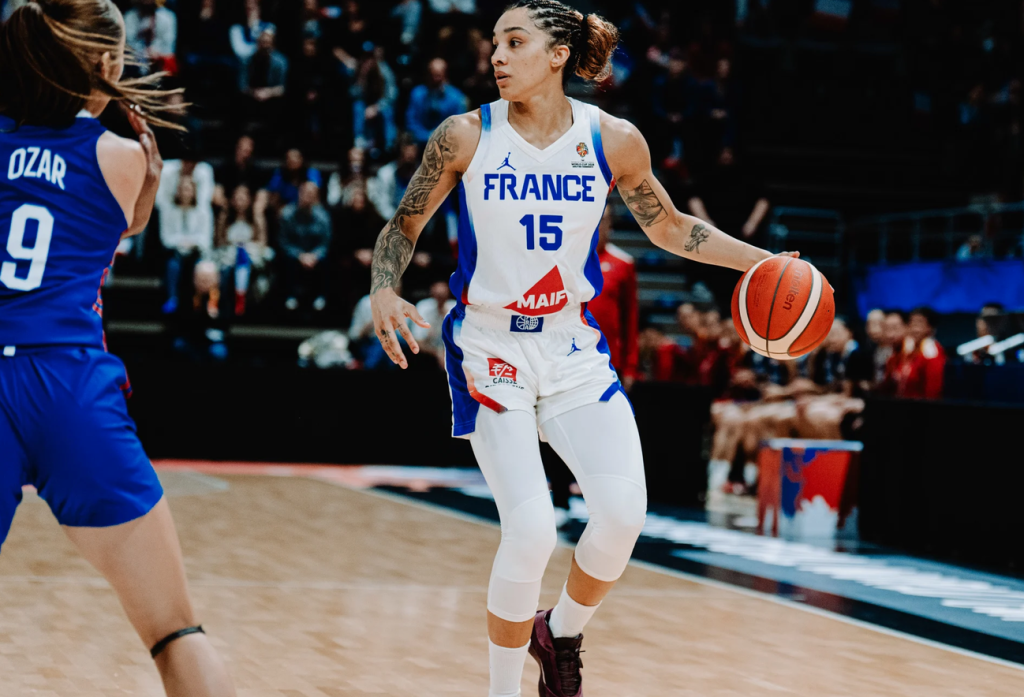
Up front, France leans on experience and physical profiles. Valeriane Ayayi and Janelle Salaun both play for ZVVZ USK Praha, while Gabby Williams represents Fenerbahce Opet — three forwards tasked with carrying the load on both ends. The frontcourt closes out with Marieme Badiane of Beretta Famila Schio, Aminata Gueye of Casademont Zaragoza, and Dominique Malonga of Fenerbahçe Spor Kulübü.
Ayayi wears the captain’s armband, a role FIBA frames around her “outstanding know-how and leadership,” describing the forward as “the all-important glue in the team” and “a cornerstone of the team.” Toupane, meanwhile, isn’t building for Berlin alone — FIBA confirmed he will remain in charge of the French program through the Los Angeles 2028 Olympics, giving this roster construction a multi-cycle dimension rather than a one-tournament gamble.
Seventy-three years without a World Cup medal, despite the favorite tag
For all the individual talent, France’s World Cup history is thin. Les Bleues finished third at the very first edition, held in Chile in 1953, beating Brazil in the third-place game. They haven’t stood on a World Cup podium since. That’s 12 World Cup appearances counting 2026 — Berlin marks France’s seventh consecutive World Cup — and zero medals in between, a drought stretching back to that 1953 event.
The contrast with France’s Olympic record makes the gap harder to explain away. Les Bleues have won Olympic silver twice, in London 2012 and again in Paris 2024, plus bronze in Tokyo 2020. They’ve also won EuroBasket twice, in 2001 and 2009. The World Cup, oddly, is the one major podium that has eluded this program across seven decades of otherwise competitive tournaments. Ranked second in the world and named among the tournament favorites by Olympics.com’s preview, alongside EuroBasket champion Belgium and Asia Cup winner Australia, France enters Berlin with as strong a case as it has ever had to finally end that streak.
Gabby Williams, Marine Johannès and Valériane Ayayi carry Paris 2024’s silver forward
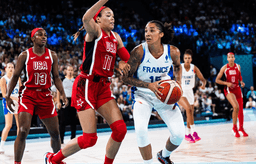
The bridge between that Olympic near-miss and this World Cup roster is Gabby Williams. In the Paris 2024 gold-medal game, Williams scored 19 points and grabbed seven rebounds as France fell to Team USA 67-66 — a result that handed the Americans their eighth straight Olympic gold by, as NBC Olympics put it, “the slimmest of margins.” FIBA describes Williams as “the heart and soul of the French women’s national team,” and its roster announcement calls her “sensational at the Olympics two years ago,” projecting her to “provide the main thrust for France on both ends of the floor.”
The final sequence of that Paris final also involved Marine Johannes (1.78m, 31 years old), who set up Williams for a shot in the final second with France trailing 64-67. Olympics.com described the moment directly: “With a second remaining and the score 64-67, Marine Johannes launched a bullet pass Williams’ way and, without hesitation, she fired her shot.” Johannès missed the entire 2022 World Cup in Sydney after a serious injury suffered on the eve of France’s opener, and FIBA notes she’ll be “looking to make up for lost time” in Berlin, calling her “a special player always ready for the biggest stage.”
Malonga, Lacan and Leite headline a new generation, with Group B first up
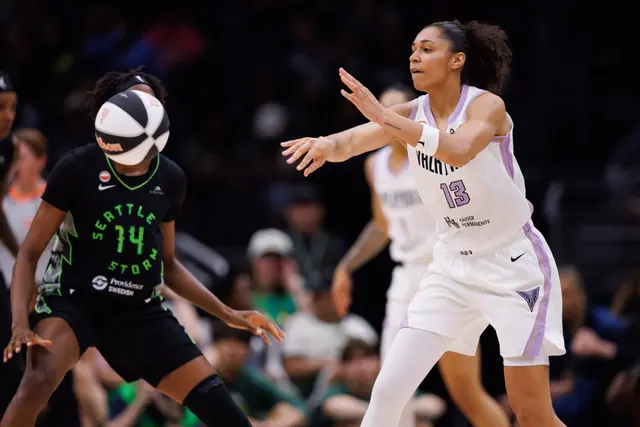
The roster’s biggest wildcard is Dominique Malonga (1.97m, 20 years old), the Seattle Storm center who went second overall in the 2025 WNBA Draft. FIBA points to a dunk she threw down at this year’s Qualifying Tournament in Lyon-Villeurbanne as a signal of what she can do, praising her “wing span, height, defensive presence and ever evolving post skills.” Olympics.com goes further, calling her the player who will anchor France’s defense and noting she has “the measurements to attack” the rim as well as protect it.
Two guards will be making their major-tournament debuts alongside her. Leila Lacan (1.80m, 22 years old) of Basket Landes is coming off what FIBA calls “an outstanding past 12 months in EuroLeague Women.” Carla Leite (1.75m, 22 years old), selected No. 3 overall in the 2026 WNBA Expansion Draft by the Portland Fire according to Just Women’s Sports, had her WNBA contract temporarily suspended so she could join the national team for this tournament. FIBA describes her as “a walking highlights reel” who gives France “much more guard depth.” Forward Janelle Salaun also arrives in form, having “lit it up” at the Qualifying Tournament according to FIBA.
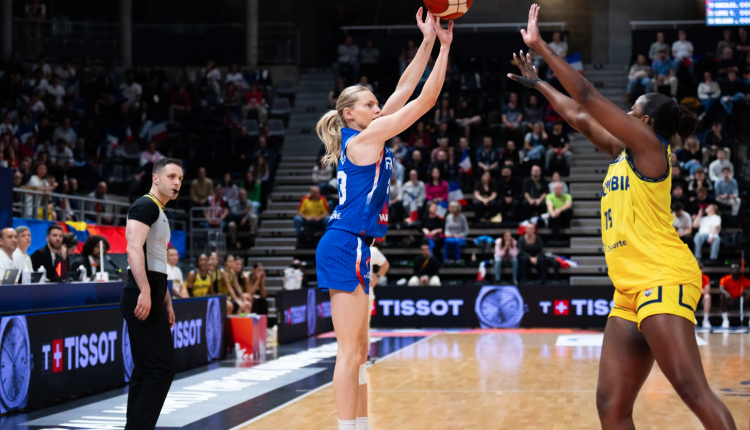
France opens Group B against Hungary on September 4, then faces Republic of Korea on September 6 and Nigeria on September 7 — the same three opponents it already met during qualification last March. Group winners advance directly to the quarterfinals on September 10, while second- and third-place teams must survive an extra qualification round on September 8 and 9 before the final on September 13. For a roster this talented, anything short of a direct route to the knockout stage will raise questions about whether 2026 finally breaks France’s 73-year World Cup drought.
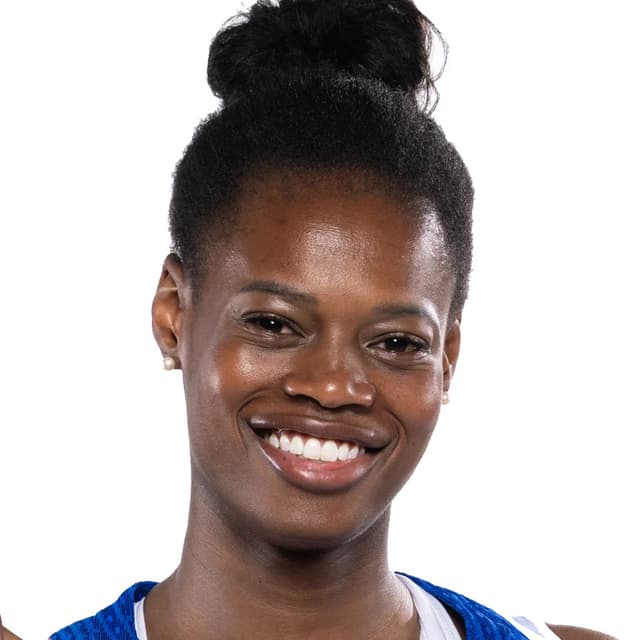
Valériane Ayayi
Follow
Gabby Williams
Follow

Migna Touré
Follow
Romane Berniès
Follow

Marine Johannès
Follow
Dominique Malonga
Follow
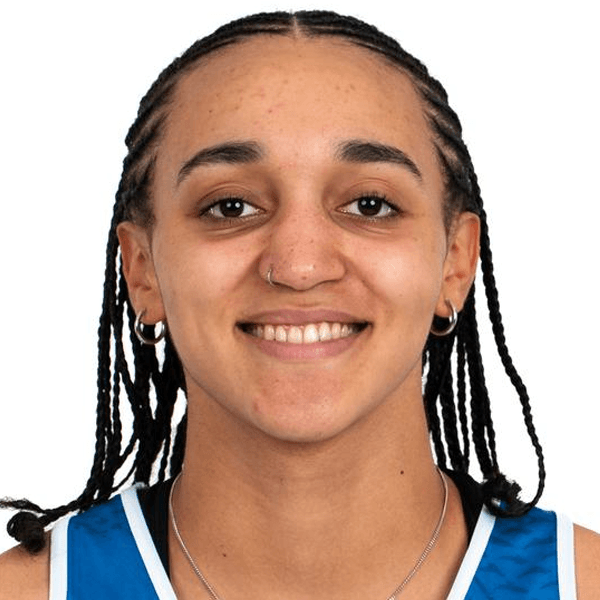
Leïla Lacan
Follow
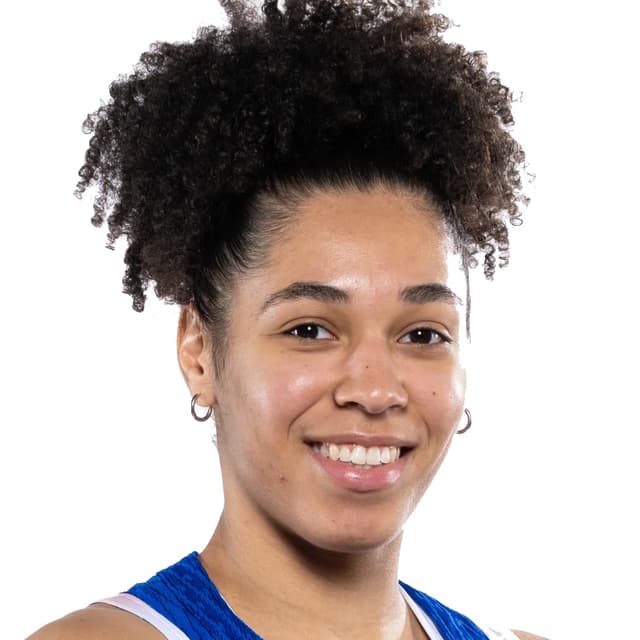
Janelle Salaün
Follow

Marième Badiane
Follow
Pauline Astier
Follow

Carla Leite
Follow
Aminata Gueye
Follow

Portland Fire
Follow
Jean-Aimé Toupane
Follow

Seattle Storm
Follow

Basket Landes
Follow

An American in France, Julien Burke works in both languages and both basketball worlds. He follows the NBA and the WNBA as closely as the EuroLeague, and likes nothing better than explaining one to the other: the European seasons behind an overnight breakout, how a signing really got done. Context over box scores, every time.


Comments (0)