
Caitlin Clark Targeted Again: Could European Leagues Offer a Better Home?
Physicality, Jealousy, and Uncalled Fouls — The WNBA's Caitlin Clark Problem Is Getting Worse, and Fenerbahçe's Dominance Shows Europe Is a Legitimate Alternative
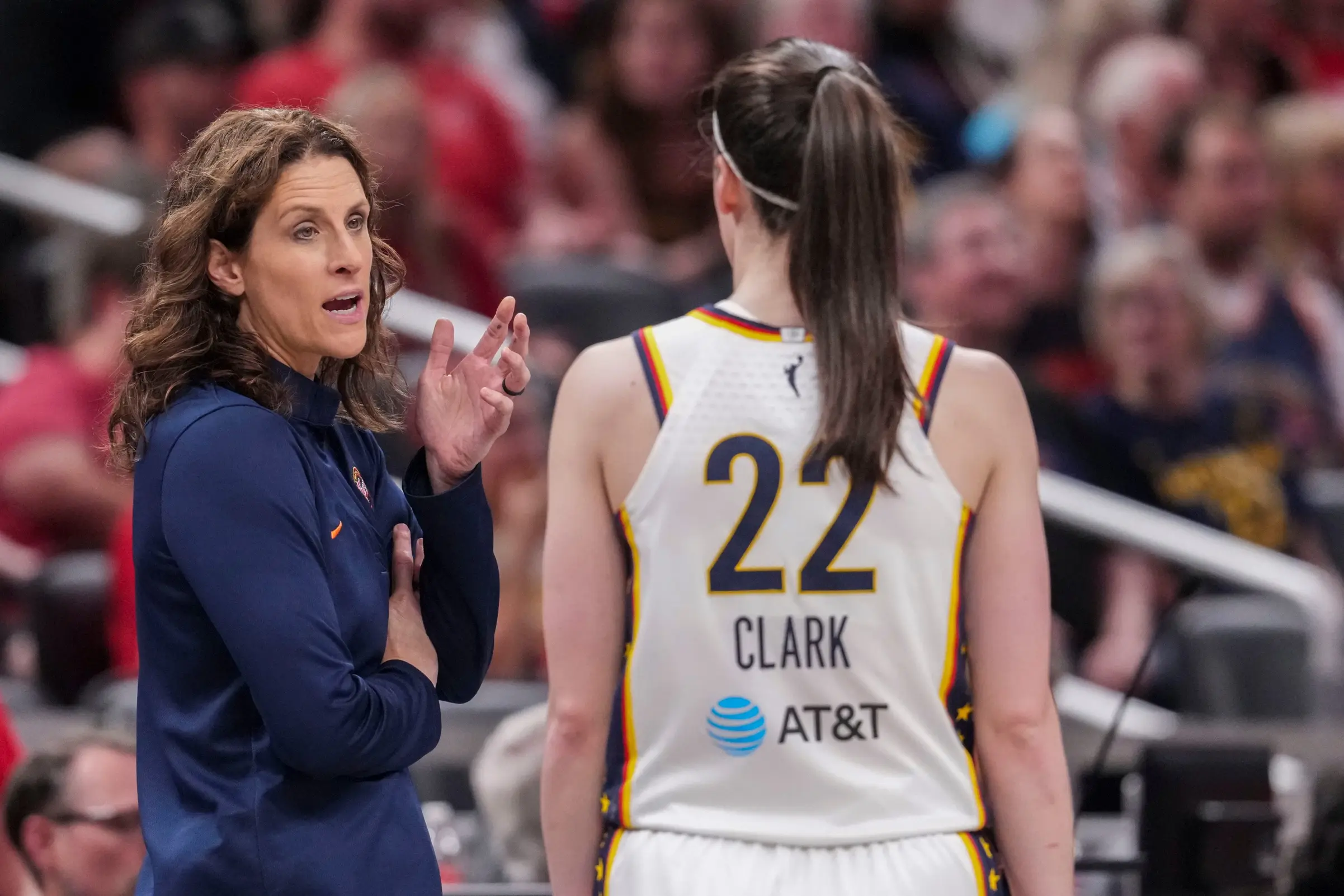
Indiana Fever head coach Stephanie White talks with Indiana Fever guard Caitlin Clark (22) on Wednesday, June 24, 2026, during the first half of a game at Gainbridge Fieldhouse in Indianapolis. The Phoenix Mercury defeated the Indiana Fever, 111-109.
Caitlin Clark is no longer a rookie finding her footing. She is an established star, one of the most recognizable faces in women’s basketball. Yet the physical treatment she endures on the WNBA floor has not eased — if anything, it has intensified. The question being asked more openly now is whether the league’s most marketable player deserves a better environment.
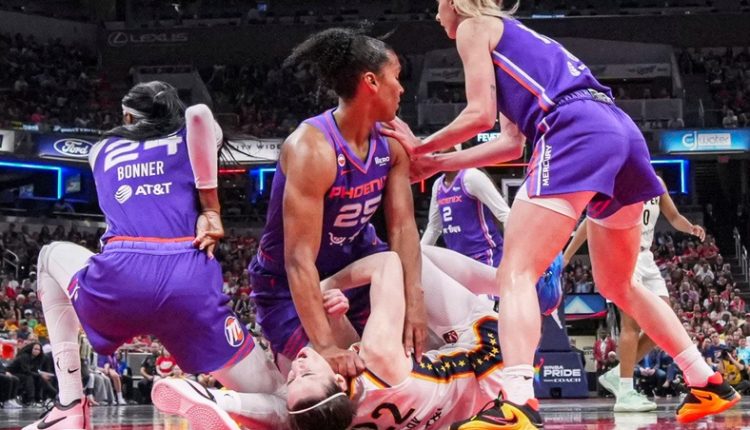
The latest incident involved Phoenix Mercury‘s Alyssa Thomas, who delivered a knee to Clark’s groin and a fist to her throat during a recent game — both missed by officials. Clark draws approximately 6.7 fouls per game early in 2026, yet a significant portion go uncalled. The Athletic examined the issue directly, titling one piece « Star Power, Jealousy and Hard Fouls Collide. » The headline says it all.
Europe Is No Longer a Fallback Option
Former NFL quarterback Boomer Esiason publicly urged Clark to consider leaving for a European league, citing the mistreatment she faces. It may sound radical, but the European landscape has never been more attractive — or more credible.
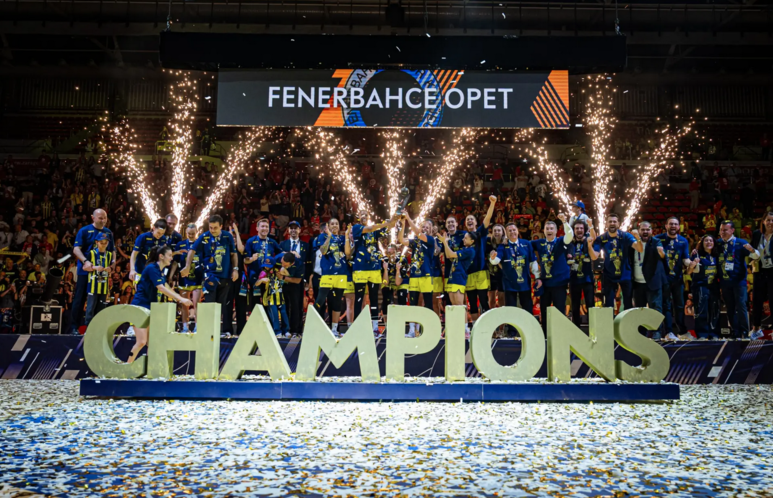
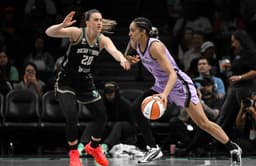
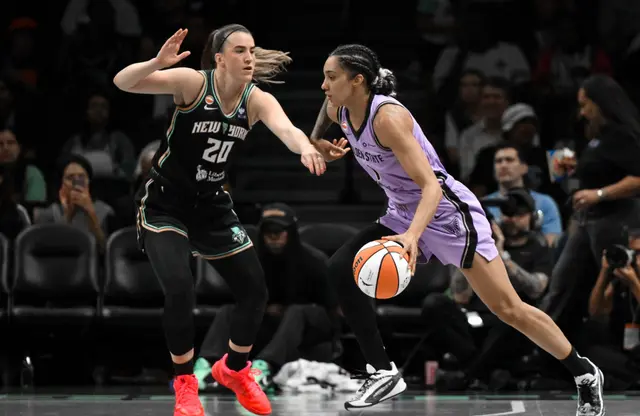
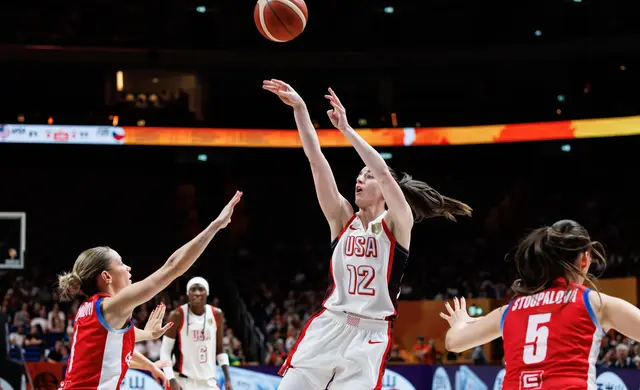
Turkey, and Fenerbahçe in particular, has established itself as the powerhouse of European women’s basketball. The Istanbul club won the EuroLeague Women championship in 2023, 2024, and 2026, and has attracted some of the WNBA’s finest talents. Breanna Stewart, a cornerstone of the New York Liberty, has played for Fenerbahçe since 2024 while maintaining her WNBA career — collecting three EuroLeague titles in the process.
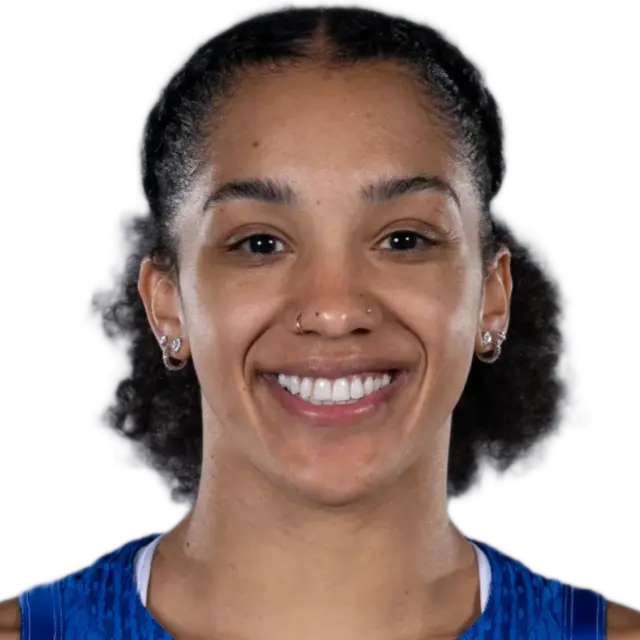
- Position : Small Forward
- Height : 180 cm
- Age : 30 y/o
- Nationality : France, United States
- Club : Golden State Valkyries
Stats 2026-2027 / WNBA
| PTS | 14.4 | #37 |
|---|---|---|
| REB | 3.3 | #70 |
| AST | 2.2 | #60 |
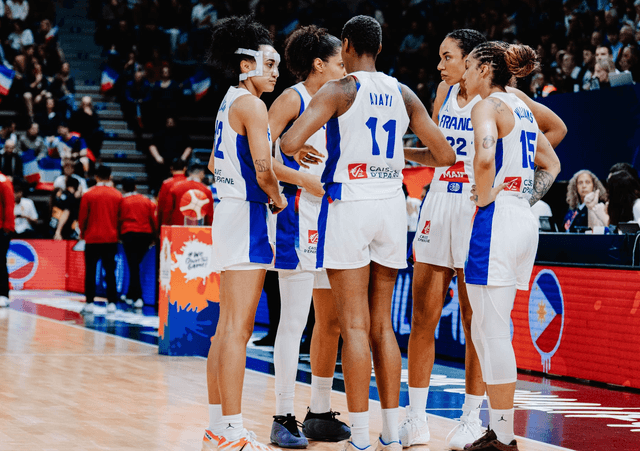
Gabby Williams is perhaps the most compelling case study. The American-French forward has built an elite career across Europe, winning the EuroLeague with Sopron Basket in 2022 — where she was named Final Four MVP — before claiming the French championship and EuroCup with ASVEL Féminin in 2023. Since joining Fenerbahçe in July 2024, she has added a Turkish Super League title in 2025 and 2026, and a EuroLeague crown in 2026, earning Final Six MVP honors. A three-time EuroLeague Defensive Player of the Year, Williams is simultaneously thriving in the WNBA with the Golden State Valkyries, where she was named to the All-Star team in 2025 and led the league in steals.
A Systemic Problem the WNBA Cannot Ignore
The physicality directed at Clark is not routine professional basketball. It is disproportionate, often targeted, and frequently tolerated by officiating crews. The WNBA has publicly emphasized stricter enforcement of physical play rules, yet the inconsistency on the floor tells a different story. When a player of Clark’s caliber absorbs uncalled fouls at this rate, it raises questions about whether the league is genuinely committed to protecting its stars.
The jealousy factor is real. Clark’s meteoric rise — from college phenomenon to professional star — has generated unprecedented attention and commercial interest. That visibility appears to breed resentment among some veterans, translating into physical aggression that crosses the line between competitive basketball and deliberate disrespect.
Williams and Stewart have demonstrated that Europe is not a consolation prize. It is a legitimate, high-level competition with growing salaries, prestigious titles, and a playing environment that rewards skill over personal vendettas. Whether Clark ever makes that move is speculative — but the fact that the conversation is happening at all should concern WNBA leadership. A league’s long-term health depends on celebrating its biggest stars, not driving them away.
Caitlin Clark
Follow
Gabby Williams
Follow

Alyssa Thomas
Follow
WNBA
Follow

New York Liberty
Follow

Phoenix Mercury
Follow

Golden State Valkyries
Follow

Lyon Asvel Women
Follow
An American in France, Julien Burke works in both languages and both basketball worlds. He follows the NBA and the WNBA as closely as the EuroLeague, and likes nothing better than explaining one to the other: the European seasons behind an overnight breakout, how a signing really got done. Context over box scores, every time.

Comments (0)