
Berlin will not be a coronation: the European teams built to beat Team USA
When USA Basketball announced its 12-player roster for the 2026 FIBA Women’s World Cup on August 6, every major American outlet ran the story. Rightly so: A’ja Wilson, Breanna Stewart, Caitlin Clark, Paige Bueckers, Angel Reese and Napheesa Collier on the same team is not a normal basketball event. It is a generational convergence. But the other side of the bracket — the European side, where the tournament is actually being played — received almost no coverage. That is a mistake worth correcting before the opening tip in Berlin on September 4.
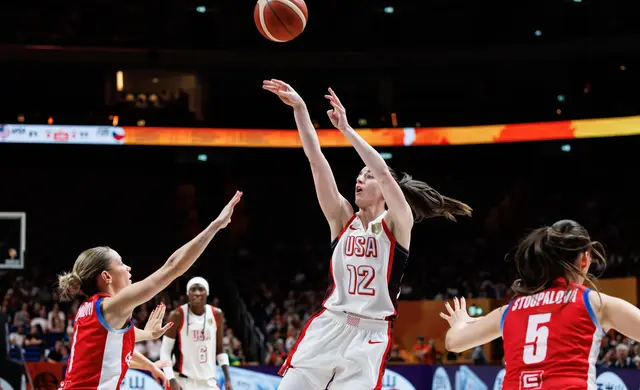
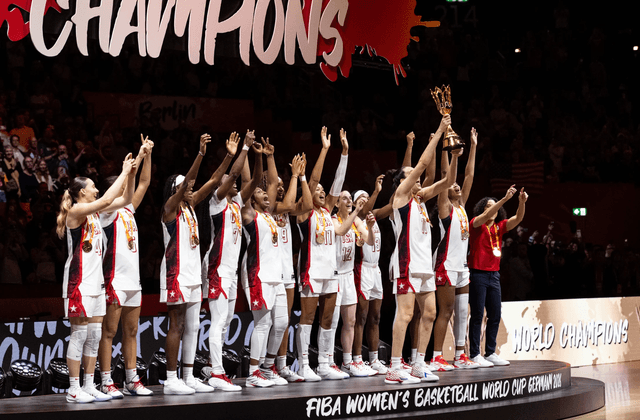
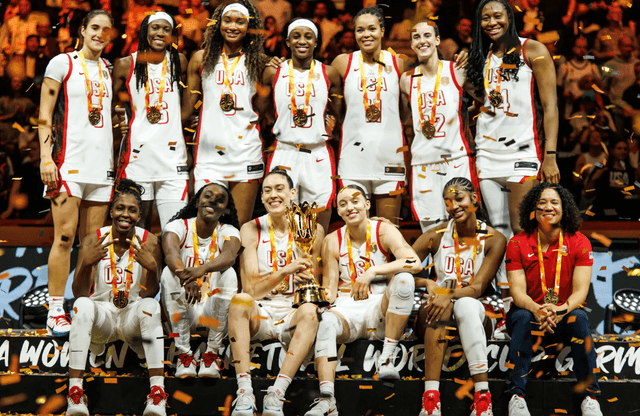
The United States is the favourite. That sentence is not in dispute. Wilson and Stewart alone have combined for six WNBA MVP awards. Both have won World Cup and Olympic MVP honors. Five players on this roster won gold at the 2024 Paris Olympics. The program is chasing its 12th world title and fifth consecutive one, with a head coach in Kara Lawson who has shown no appetite for sentimentality in her roster decisions. Sue Bird, managing director, built the roster around a clear north star: « a team that complements each other and can go on the court and win gold. » The talent is extraordinary. The pedigree is unmatched.
And yet Berlin is not Sydney. The conditions that made the 2022 World Cup a relatively comfortable American exercise — neutral site, 12-team field, round-robin safety net — no longer apply. The 2026 edition expands to 16 teams, and the medal-round bracket is single-elimination from the quarterfinals onward. One bad shooting night, one European team catching fire from 3-points, and the defending champions go home. That structural reality changes the calculus significantly.
The bracket tells the real story
Here is what almost no American coverage has mentioned: 12 of the 16 teams in Berlin advance out of the group stage, with only the last-place finisher in each group eliminated. Group winners go straight to the quarterfinals; the runners-up and third-place teams play a September 8-9 qualification round for the right to join them. That detail changes everything about how this tournament actually works.
If the United States wins Group D — the expected outcome, given the group includes China, Italy and Czechia — its quarterfinal on September 10 comes against the winner of a September 8 play-in game between the runner-up of France’s group (Group B) and the third-place finisher out of the Spain-Germany group (Group A). France is the runner-up favourite in Group B. The dynasty’s first real test in Berlin is not scheduled for the semifinals. It is scheduled for the quarterfinals, and France is the likeliest opponent standing across from it.
That same qualification round also reframes the Spain-Germany question. Both can advance out of Group A — one as group winner directly into the quarterfinals, the other through the play-in round. The stakes are not survival, they are seeding, and the seeding is unforgiving: the team that finishes third in that group is funneled into the exact play-in bracket that produces Team USA’s likely quarterfinal opponent if the draw plays out as seeded. Finishing behind the other is not elimination. It is being handed the worst possible route through the tournament.
Belgium, the reigning European champion, does not need to survive a brutal group either — it needs to finish in the top three of a four-team pool with Australia, Puerto Rico and Türkiye, which is a considerably lower bar than « surviving. » There’s a sharper subplot buried in that group stage math, too. Belgium won EuroBasket Women 2025 by beating Spain 67-65 in the final, erasing a 12-point fourth-quarter deficit to do it. Two of the four teams built to threaten the United States in this piece were on opposite ends of a continental final fourteen months ago — and the World Cup draw has now placed both in win-and-advance-cleanly situations rather than win-or-go-home ones.
The European contenders: credentials, not just potential
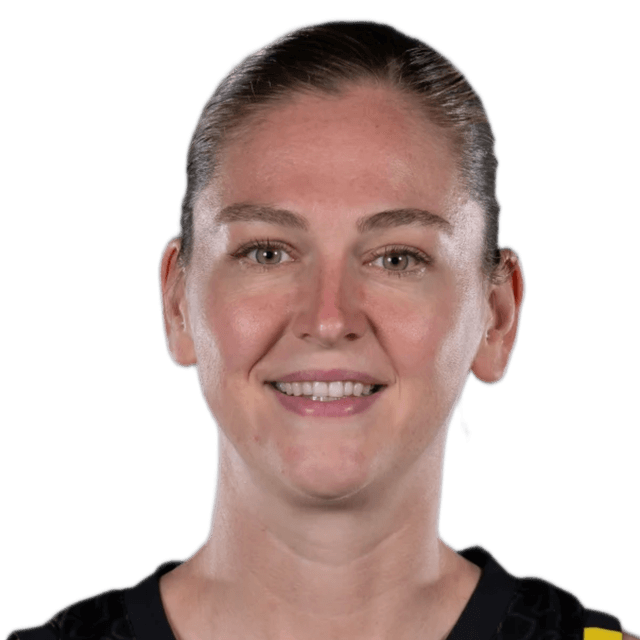
Belgium enters as the reigning EuroBasket Women 2025 champion, and the Belgian Cats are not a surprise package — they are a mature, battle-tested program that just proved it can win from behind on the biggest stage available to it. The player pool is anchored by Emma Meesseman, one of the most decorated international players in the women’s game. American audiences may not immediately recognize her name the way they would a WNBA All-Star, but her résumé demands respect: Meesseman won the 2019 WNBA championship with the Washington Mystics and was named Finals MVP that year — the first player to win the award coming off the bench in league history, posting 17.8 points on 57% shooting in the series. Belgium has earned its continental title through collective execution rather than individual stardom, and that kind of structural cohesion is exactly what makes a group-stage pool with Australia, Puerto Rico and Türkiye a manageable obstacle rather than a threat.


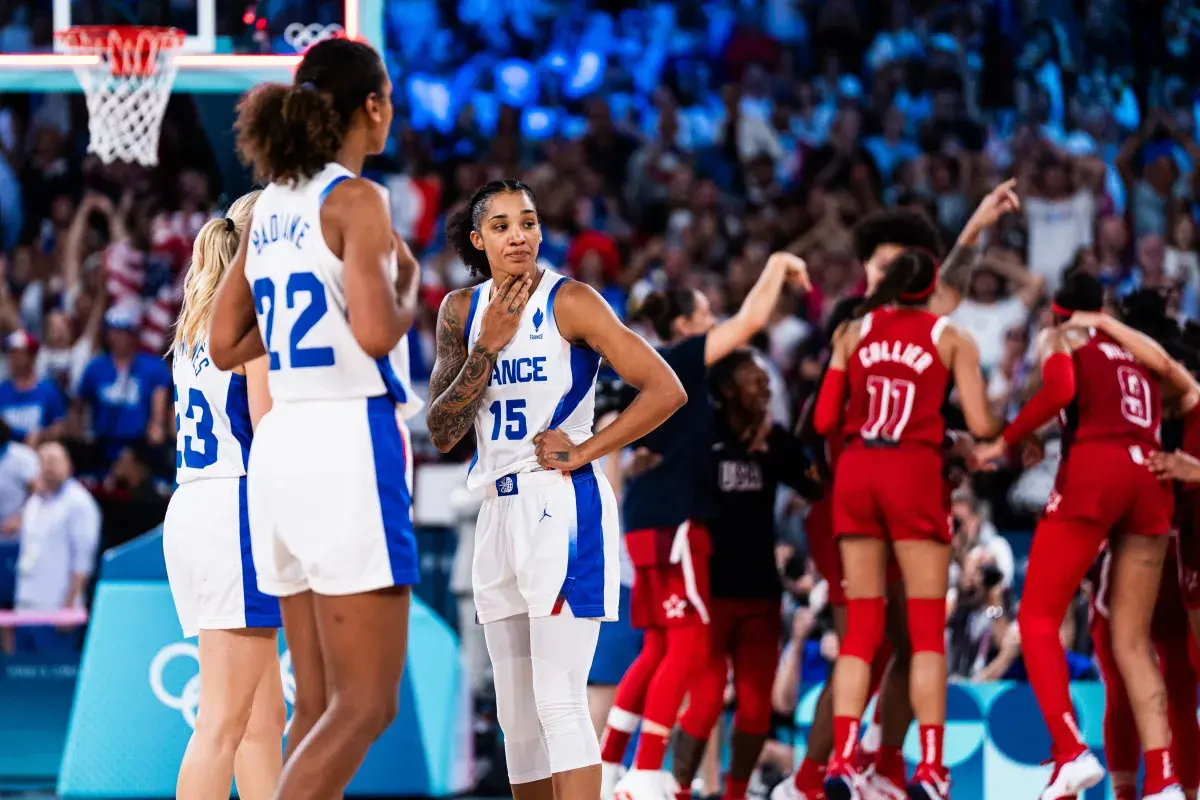
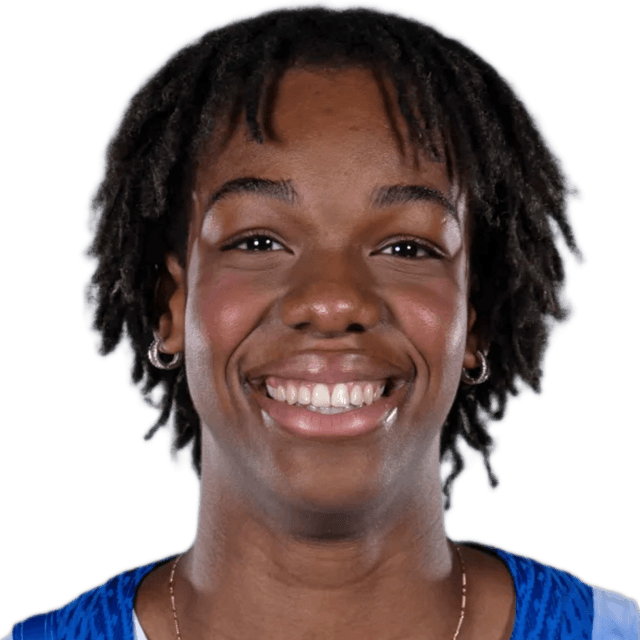
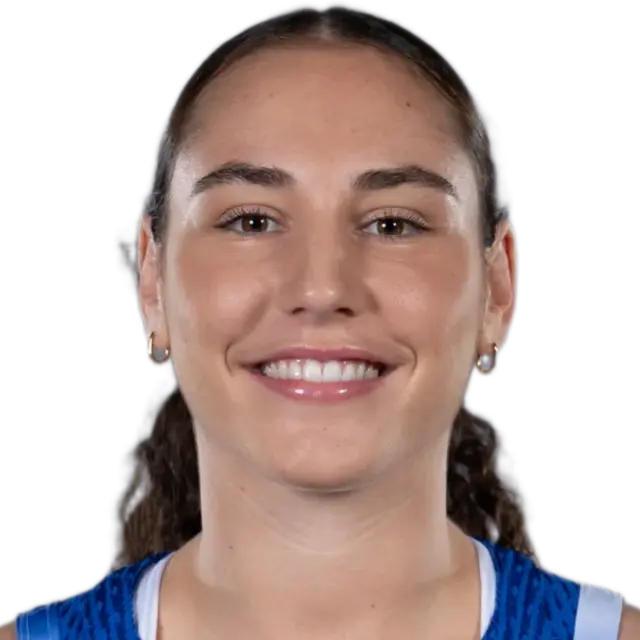
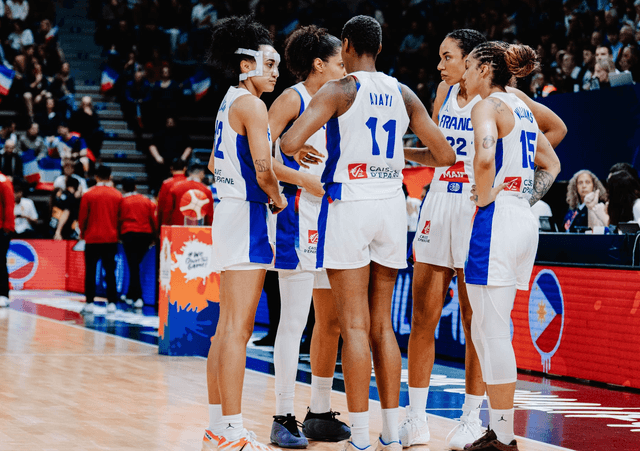
France is arguably the most dangerous team in the field outside the United States. The Paris 2024 Olympic silver medalists arrive with a generation of WNBA-caliber talent that is no longer developing — it is arriving. Dominique Malonga has been making history in Seattle this season, while Janelle Salaün has established herself as one of the WNBA’s most impactful reserve players with Golden State. Beyond those two, the French player pool includes Gabby Williams, Iliana Rupert, Leïla Lacan and Carla Leite — a group with enough versatility and size to match up with almost any roster in the world. France came within one point — and one foot on the line — of beating the United States in the Paris 2024 Olympic final, a 67-66 defeat in which Gabby Williams’ potential game-winning shot at the buzzer was ruled a 2-point attempt rather than a 3-point attempt. If the bracket plays out as seeded, France does not need a miracle run to test that memory again. It needs to finish second in its own group.


Germany is the host nation, playing at the Uber Arena and Max-Schmeling-Halle in Berlin. Home-court advantage in a 10-day compressed tournament is not a decisive factor on its own — the United States will not suddenly forget how to play basketball because the crowd is loud. But it is a real variable. Crowd energy affects officiating at the margins, it affects the psychological weight of close possessions in the fourth quarter, and it gives a German team that might otherwise be outmatched in pure talent a genuine emotional resource to draw from. In a single-elimination format, margins matter — and Germany shares a group with Spain, which makes the finishing order between the two programs one of the more consequential subplots of the opening week.
Spain may be the most structurally underrated team in the field. The Spanish program has been the most consistently excellent European national team at senior level over the last decade — not because of one transcendent star, but because of depth, continuity and a system that has been refined through repeated exposure to high-stakes competition. Spain does not need a perfect night from one player. They need a competent night from eight. That is a harder thing to disrupt, and it is precisely why finishing ahead of Germany in Group A carries such weight: the reward is a cleaner path through the qualification round and into the quarterfinals, while the team that finishes third is pushed toward the play-in game that likely feeds directly into a quarterfinal against the United States.
Where USA is genuinely vulnerable
The American roster has two injury-related question marks that deserve honest analysis. Kelsey Plum has played only 14 games this WNBA season, sidelined since late June with a lower leg injury before recently returning; she also arrived at the Phoenix Mercury in the night of August 1 to August 2, hours before the trade deadline, dealt by Los Angeles for Monique Akoa-Makani, a 2027 first-round pick and a 2028 second-round pick — a new team and system to absorb in the middle of an Olympic-cycle turnaround. Napheesa Collier underwent two offseason ankle surgeries and only made her 2026 WNBA debut in late July. Both players made the World Cup roster — Bird and Lawson clearly believe in their readiness — but neither is entering this tournament with a full season of rhythm under her legs. In a 10-day sprint from September 4 to September 13, with a WNBA season that pauses starting August 30 for the national team window, the physical and logistical turnaround is compressed for every player on the roster.
The scheduling asymmetry the bracket creates is real, but it shows up a round later than it might seem. In the quarterfinals, Team USA’s likely opponent will have just played a qualification-round game on September 8, two days before facing the Americans — meaning any fatigue gap in the quarterfinal actually favors the U.S., not the challenger. The version of the fatigue argument that holds up arrives in the semifinals on September 12, where a group winner who advanced directly and had extra days to recover — a rested Belgium or Spain, for instance — could face an American team that has now played every two to three days since September 4, with Plum’s and Collier’s minutes and legs under increasing scrutiny as the tournament wears on.
None of this overturns the fundamental analysis: the United States, with Wilson, Stewart, Clark, Bueckers, Collier, Reese, Plum, Gray, Copper, Howard, Young and Boston, is the best team in Berlin. Kara Lawson has the most talented roster in the tournament, a clear tactical identity and the institutional support of the most successful women’s basketball program in World Cup history. If this team executes at its ceiling, no European team can match it.
But ceilings are not guarantees. Belgium is the reigning European champion with a manageable group. France came within a foot on the line of ending the American dynasty in Paris, and the bracket may hand it a rematch as early as the quarterfinals. Spain has the depth and the system. Germany has the crowd. And the tournament, for the first time in years, offers no round-robin safety net once the knockout rounds begin. Berlin will be a coronation only if the United States makes it one. The European teams in this field are built, and seeded, to make sure that is not a foregone conclusion.



















Comments (0)