

Unrivaled: How the Women’s 3-on-3 League Is Reshaping Women’s Basketball
Unrivaled, the professional 3-on-3 women's basketball league co-founded by Breanna Stewart and Napheesa Collier, is making a significant impact on women's basketball since its January 2025 launch — keeping elite WNBA talent stateside, offering record salaries, and giving players a genuine stake in the league's future.
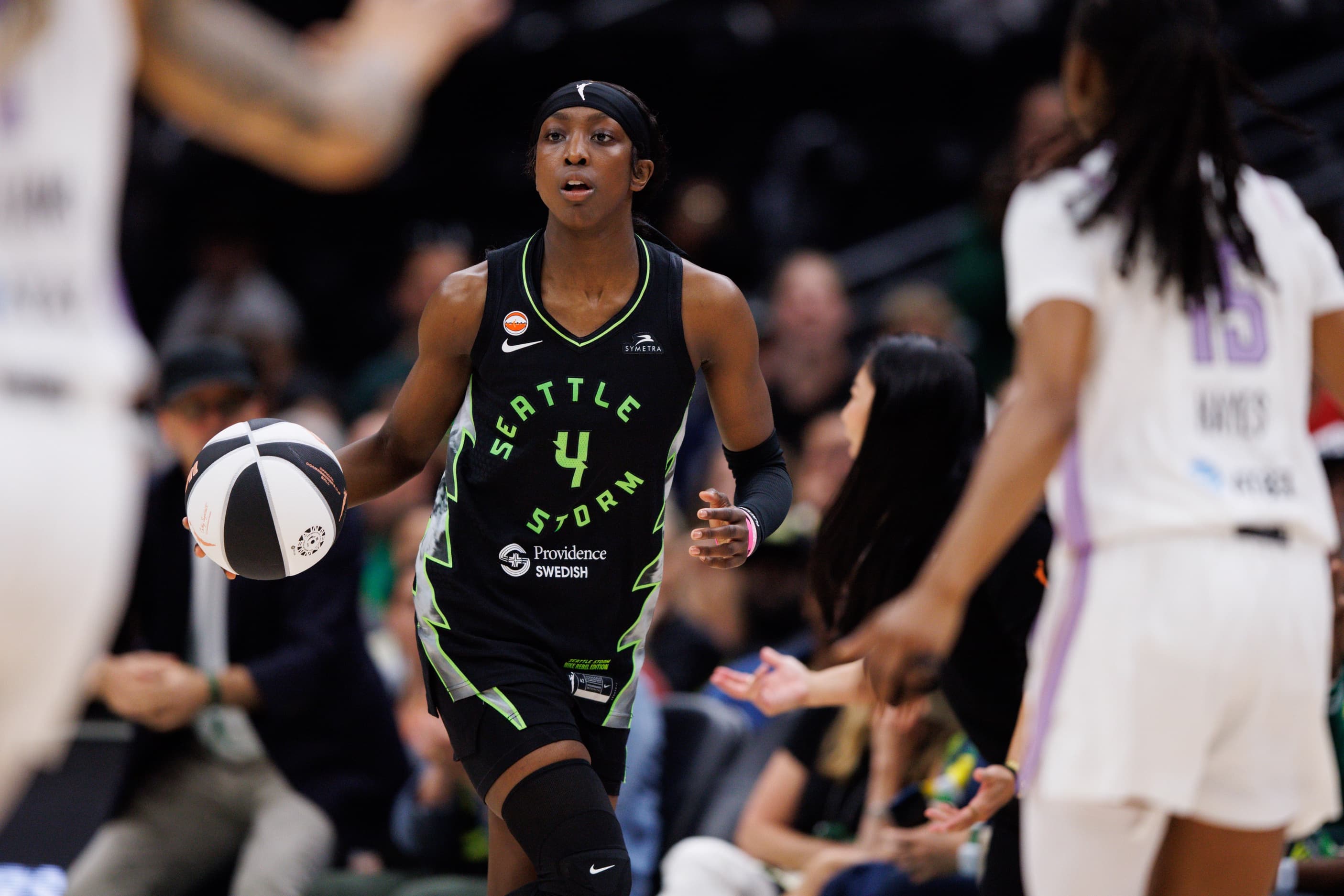
Jun 12, 2026; Seattle, Washington, USA; Seattle Storm guard Flau’jae Johnson (4) drives the ball in the second half against the Golden State Valkyries at Climate Pledge Arena. Mandatory Credit: Kevin Ng-Imagn Images
When two of the WNBA‘s biggest stars decide to build their own league, the basketball world pays attention. Founded in July 2023 by Breanna Stewart and Napheesa Collier — through her husband Alex Bazzell — Unrivaled officially tipped off its inaugural season on January 17, 2025. The concept is straightforward but ambitious: create a high-level 3-on-3 competition that keeps elite women’s basketball players in the United States during the WNBA offseason.
A Player-Led Model Built for Long-Term Impact
What sets Unrivaled apart goes beyond the format. Players aren’t just participants — they hold equity stakes in the league itself. Combined with record-breaking salaries, this model gives athletes a direct financial incentive to invest in the league’s growth and success. It’s a player-led ownership structure that is rare in professional sports, and virtually unprecedented in women’s basketball.
The inaugural season has already produced its first champion: Chelsea Gray, who claimed the first-ever Unrivaled title with Rose BC. With Sabrina Ionescu and other top WNBA talent also taking part, the league has quickly established itself as a legitimate competitive platform, not just an offseason exhibition.
High-Profile Signings Signal Growing Momentum
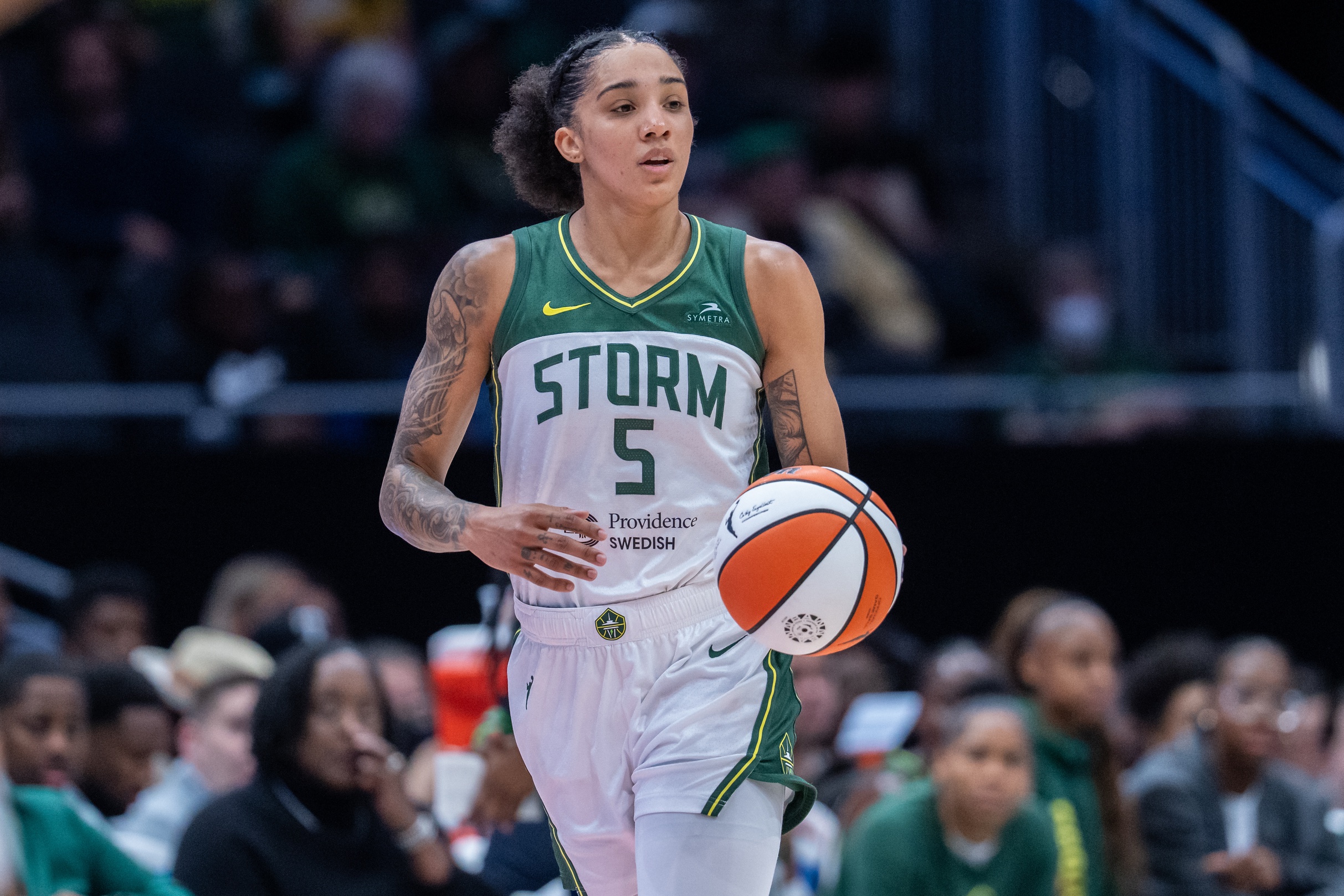
The league’s credibility is further reinforced by its recent signings. Gabby Williams — a two-time national champion at UConn and two-time Olympic medalist — has committed to a multi-year contract with Unrivaled. LSU standout Flau’jae Johnson also signed a multi-year deal, signaling that the league is attracting talent across generations and profiles.
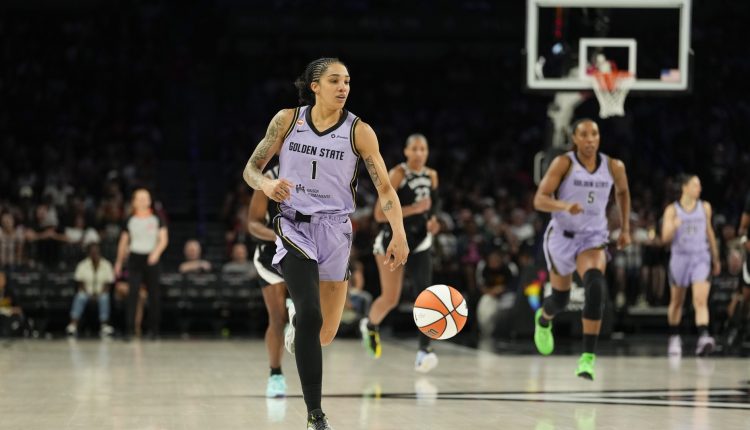
These signings matter strategically. For years, WNBA players have routinely headed overseas during the offseason to supplement their income, often playing grueling schedules in Europe or Asia. Unrivaled directly challenges that model by offering competitive compensation on home soil, reducing physical wear and keeping stars visible to American audiences year-round.
The league also faces competition from other emerging models, such as Project B, a global 5-on-5 league. But Unrivaled’s player-equity structure and domestic focus give it a distinct identity in an increasingly crowded landscape.
Building the Future of Women’s Basketball
All Unrivaled games are streamed live, ensuring broad accessibility and helping grow the league’s audience beyond traditional broadcast constraints. That visibility is critical — not just for the league itself, but for the broader development of women’s basketball as a commercial and cultural force.
Unrivaled represents something larger than a 3-on-3 competition. It is a structural statement about what women’s sports can look like when athletes hold real power. By combining competitive basketball, financial equity, and a domestic platform, the league is addressing longstanding systemic gaps in the women’s game — and doing so on its own terms.



An American in France, Julien Burke works in both languages and both basketball worlds. He follows the NBA and the WNBA as closely as the EuroLeague, and likes nothing better than explaining one to the other: the European seasons behind an overnight breakout, how a signing really got done. Context over box scores, every time.





Comments (0)