
American Investors Are Coming for French Basketball — And They’re Not Stopping at the Top Tier
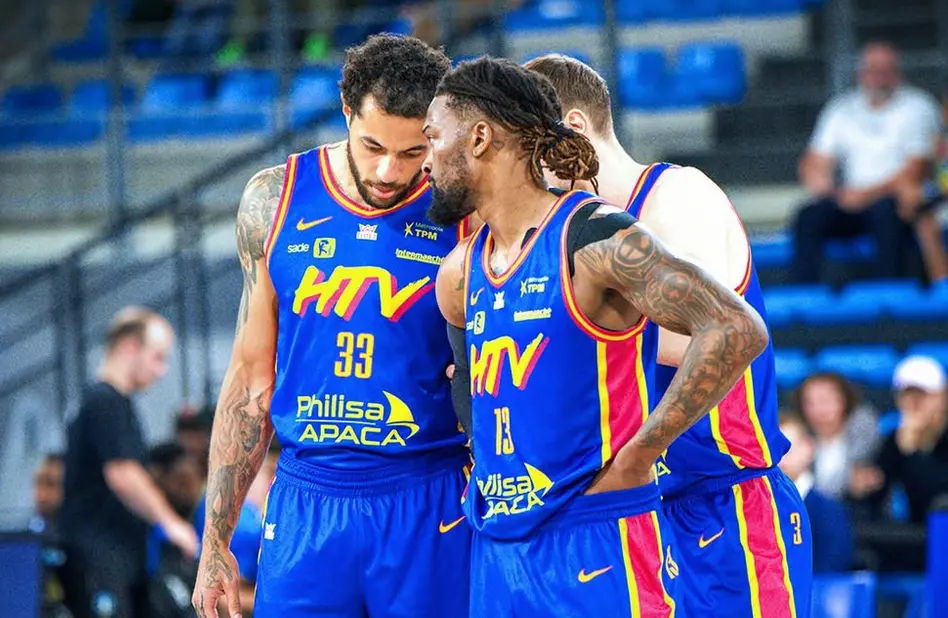
Hyères-Toulon Var Basket becomes the fourth French basketball club in one year to attract American capital investment Photo Credit: htv_basket_club
HTV Basket
Hyères-Toulon Var Basket, competing in ELITE 2, has just announced the arrival of two major American investors: Scott Rupp, co-founder of Bitkraft Ventures managing roughly $1 billion, and Vincent Tortorella, CEO of Point72, a powerhouse firm managing over $50 billion. The club is transforming from a non-profit association into a SAS — a simplified joint-stock company — marking a full structural overhaul.
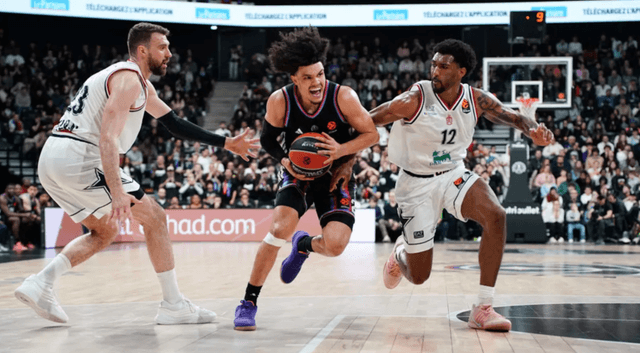
The news is significant on its own. But the broader picture is even more striking: HTV is the fourth French basketball club in just one year to land American money. Levallois in NM1, Orléans in ELITE 2, and ASVEL in Betclic ELITE have all attracted US investors before them. Together, they paint a clear and accelerating trend.
American Capital Doesn’t Care About Division Status
What makes this wave of investment particularly notable is where the money is actually going. American investors are not limiting themselves to marquee clubs in the top flight. They’re actively targeting clubs in the second and third tiers of French basketball, where growth potential — rather than immediate prestige — is the real draw.
For HTV, the roadmap is ambitious but grounded. The club plans a budget increase of 15 to 20% for the 2025-2026 season, with a dedicated professional budget of €2.4 million. The stated goal is a return to the top tier within three years. Rupp and Tortorella are bringing in innovation frameworks from elite professional sports organizations — the kind of operational upgrades that can accelerate a club’s trajectory.
This mirrors the logic seen at Orléans and Levallois — clubs where American backers identified undervalued assets with serious room to grow, rather than established platforms already operating at full capacity.
A Trend That Was Predicted
HTV president Mathieu Perrymond had seen this coming. In February 2026, he went public criticizing local investors for looking away while the club struggled to find backing. His frustration has now turned into validation: the foreign investors he predicted would eventually arrive have landed.
His message to French business communities is clear: if domestic capital fails to engage with local sports assets, international investors will fill the void. And they are.
With Monaco potentially next in line to attract American interest, the reshaping of French basketball’s financial landscape is far from over. What began as isolated deals is increasingly looking like a structural shift — one that could redefine competitive balance, ambition levels, and the ownership culture of French professional basketball for years to come.












Comments (0)