
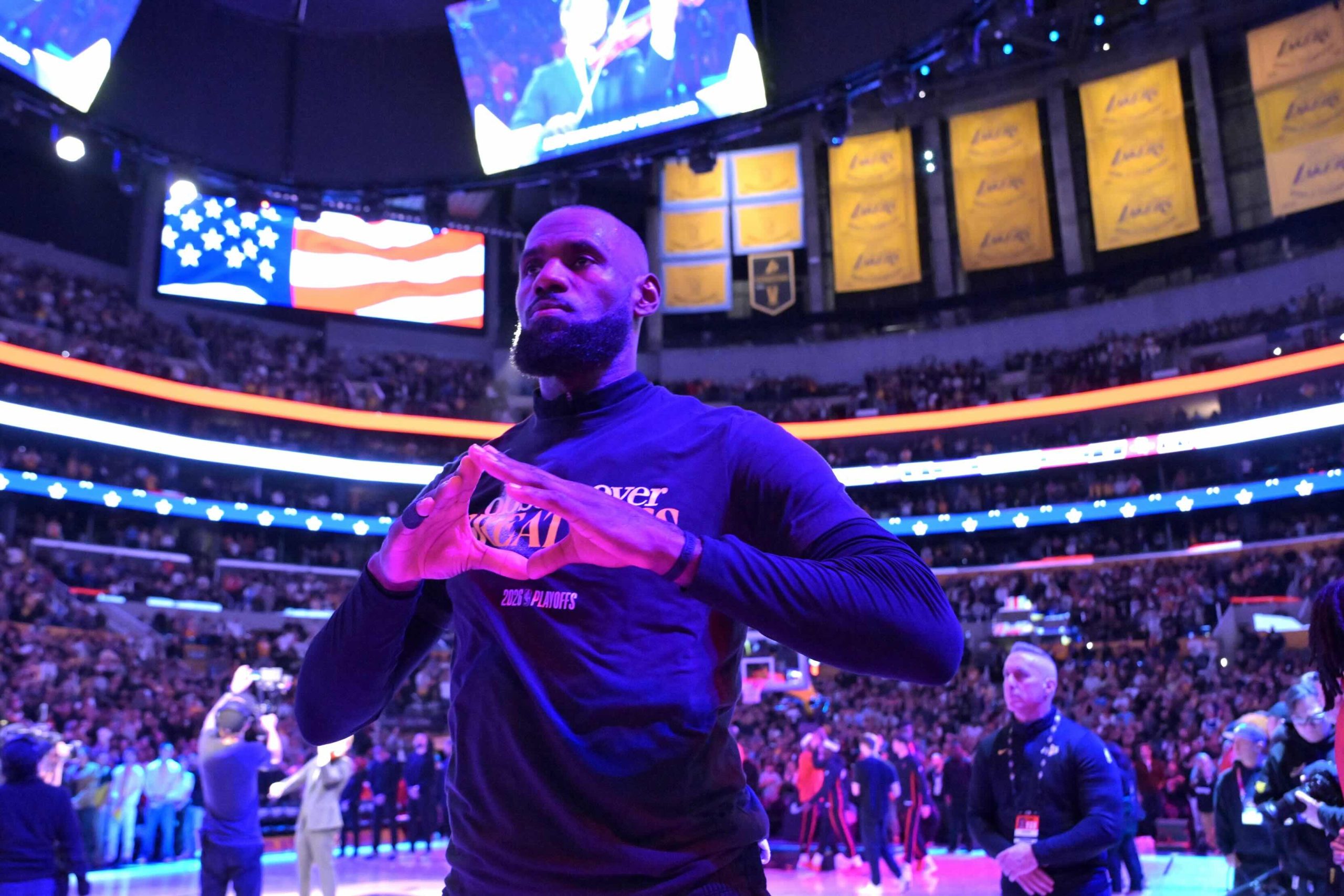
What’s Really Going On? A Deep Dive Into the Aspiration Scandal Paralyzing the NBA Offseason
The Kawhi Leonard trade to Toronto remains frozen as the NBA's investigation into the Clippers' alleged salary cap circumvention expands, leaving the Raptors, multiple free agents, and the entire offseason in uncertainty—while Commissioner Adam Silver admits the league cannot explain why an 11-month probe still has no resolution.
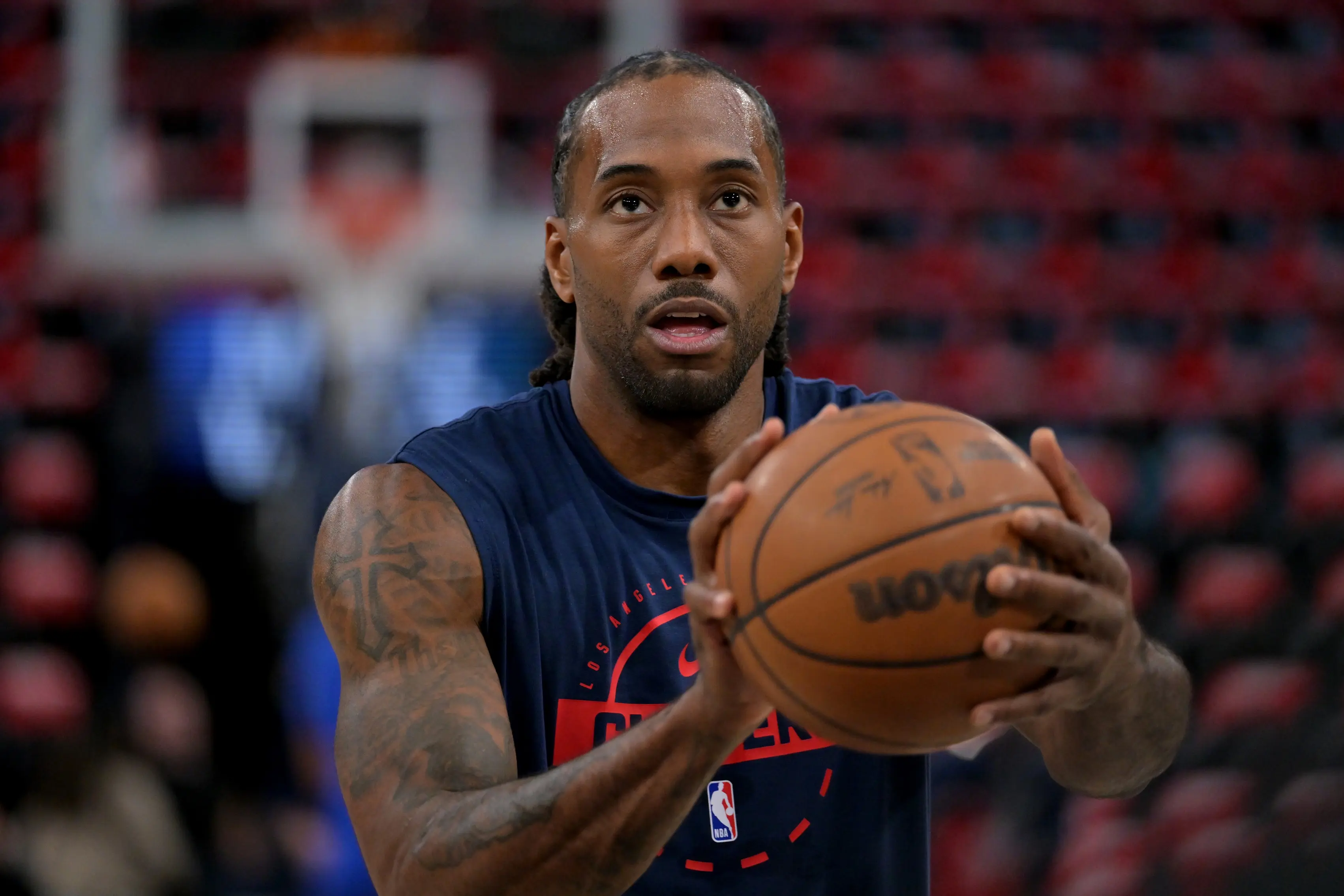
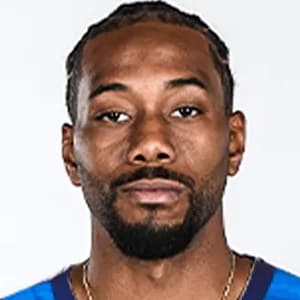
Apr 15, 2026; Inglewood, California, USA; Los Angeles Clippers forward Kawhi Leonard (2) warms up prior to the game against the Golden State Warriors in the play-in rounds of the 2026 NBA Playoffs at Intuit Dome. Mandatory Credit: Jayne Kamin-Oncea-Imagn Images
Twenty-five days. That’s how long the Kawhi Leonard trade to the Toronto Raptors has been sitting on ice, with no resolution in sight. What began as a straightforward basketball transaction—a seven-time All-Star returning to the team where he won a championship—has become a window into the NBA‘s governance problems, a scandal that is now bigger than any single player, and a cautionary tale about how incompetence at the league level can paralyze an entire offseason.
The Aspiration Deal: A $28 Million Red Flag
The investigation centers on a $28 million endorsement arrangement the Los Angeles Clippers brokered between Leonard and Aspiration Partners, a carbon-offset and tree-planting company. The deal reportedly required « little or no promotional work » from Leonard—a textbook indicator of salary cap circumvention. Making matters worse, Clippers owner Steve Ballmer had personally invested $60 million in Aspiration, creating an obvious and glaring conflict of interest.
The campaign Aspiration developed was, in a word, absurd. Internally dubbed the « Groot campaign, » it presented Kawhi as a tree-like Marvel character tied to the company’s carbon-offset business. A former Aspiration employee recalled workers being told to « stop thinking about Kawhi, this feels like a dead end. » The campaign was scrapped before launch, but its very existence raises serious questions: How could a seven-time All-Star not know that a fake endorsement deal was being constructed around him?
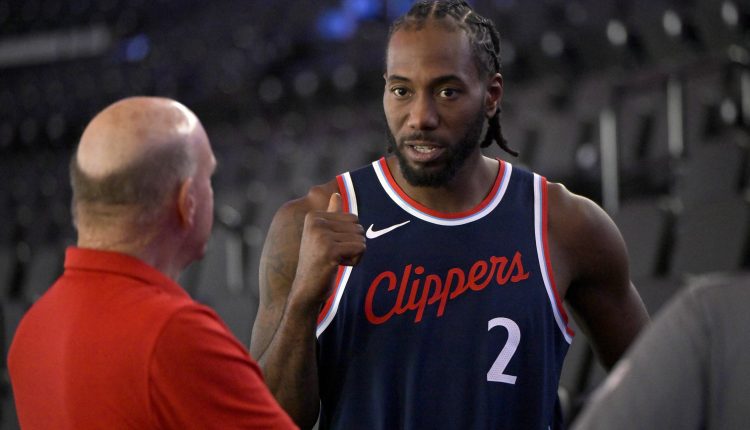
Leonard has publicly denied any participation in the investigation, but he has issued no statement defending himself or explaining his understanding of the arrangement. His silence is deafening.
The Clippers, for their part, have maintained a posture of cooperation. « While the process has been challenging, we have remained committed to transparency, » the organization stated. « We participated in dozens of interviews and turned over tens of thousands of documents. » But cooperation alone does not explain why an investigation into an apparent salary cap violation has now stretched for nearly eleven months without resolution.
A Trade Announced, Then Frozen
On June 30, 2026, the Clippers and Raptors announced an agreement: Leonard to Toronto in exchange for Brandon Ingram, Gradey Dick, two first-round picks, two second-rounders, and a pick swap. For the Raptors, it was a homecoming story—Leonard had led the franchise to its first NBA championship in 2019, and now he was coming back.
Gradey Dick (Toronto Raptors) - Brandon Ingram (Toronto Raptors) · NBA 2025-2026
| Gradey Dick | Brandon Ingram | |
|---|---|---|
| GP | 77 | 81 |
| PTS | 5.8 | 20.8 |
| REB | 1.9 | 5.5 |
| AST | 0.7 | 3.6 |
| STL | 0.6 | 0.8 |
| BLK | 0.1 | 0.7 |
Ten days later, both teams paused the deal. The NBA had warned Toronto that it would « assume the risk of any potential outcome of the investigation impacting Kawhi. » The Raptors, reportedly unaware the trade could be halted when they announced it, chose not to assume that risk. They had been blindsided.
The situation has since grown more complex. On July 22, the investigation expanded to include a second undisclosed endorsement arrangement and questions about whether the Clippers covered Leonard’s personal expenses without reimbursement. The probe, conducted by law firm Wachtell Lipton and now nearly eleven months old, shows no clear end date.
The Commissioner’s Admission
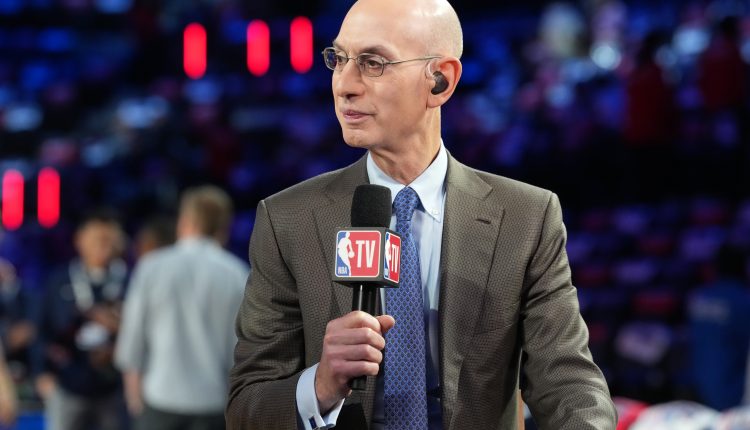
Adam Silver addressed the delay at the Board of Governors meetings in Las Vegas on July 14, acknowledging that the investigation « can be wrapped up—and needs to be wrapped up—before next season. » That statement, while firm in tone, offered no concrete timeline. It was an admission that the league had lost control of the situation.
The criticism has been sharp and justified. Tom Ley of The Defector wrote: « Not only has it taken the league 10 months to answer a relatively simple question about what the Clippers did or didn’t do, it’s now doing stuff like calling up the Raptors 10 days after they announced a trade to say ‘Uhhh, actually you might want to hold off on that.’ Why should anyone care about following all of the league’s rules if it’s as bumbling and disorganized as this? »
That critique cuts to the heart of the problem. The NBA has rules. Teams are supposed to follow them. But when the league takes eleven months to investigate a violation, and then warns teams about potential consequences after they’ve already announced trades, it raises a fundamental question: What is the point of having rules at all?
The Collateral Damage
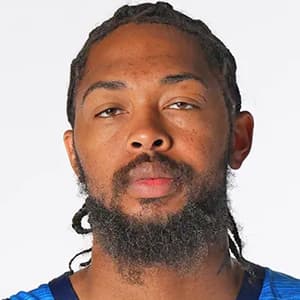
The consequences extend well beyond Leonard and the two franchises directly involved. Brandon Ingram and Gradey Dick, the two players the Raptors wanted to send to Los Angeles, remain in limbo. They cannot plan their offseasons. They cannot prepare for the possibility of playing for a new team.
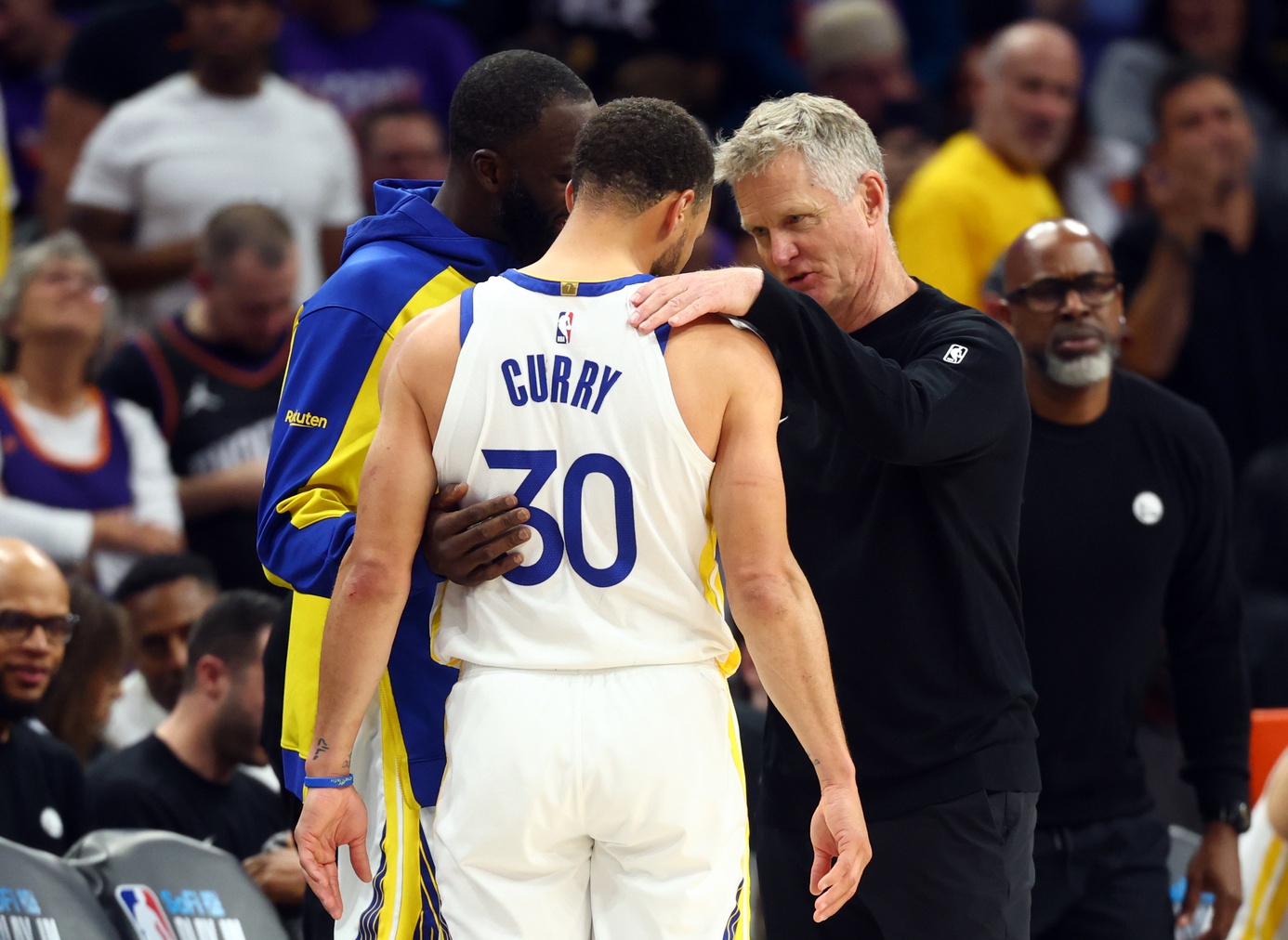
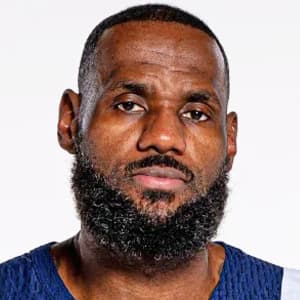
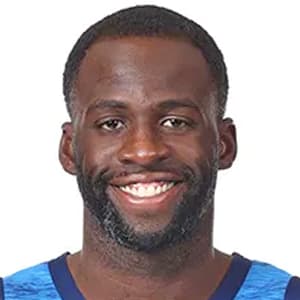
Multiple teams across the league have been unable to finalize roster moves while waiting on both the Kawhi situation and LeBron James‘ prolonged free agency decision. The Golden State Warriors, for example, could not re-sign Draymond Green because they were holding cap space for the possibility of signing LeBron. Training camp is approaching fast, and teams are still uncertain about their rosters.
This is not a minor inconvenience. This is a disruption of the entire offseason calendar, affecting dozens of teams and hundreds of players. And it is entirely the result of the NBA’s inability to manage its own affairs.
The Worst-Case Scenarios
According to Shams Charania and ESPN reporting, the possible outcomes range from minor to catastrophic. In the most optimistic scenario, the investigation concludes with the Clippers facing a modest penalty—fines, perhaps a draft pick or two—and the trade is finalized.
But there are darker possibilities. The investigation could conclude that Leonard’s contract should be suspended—20 games, 50 games, or more. In that scenario, the Raptors would inherit a damaged asset, a player who would miss a significant portion of the season.
In the worst-case scenario—the one that keeps Raptors executives awake at night—Leonard’s contract could be voided entirely. He would become a free agent. The trade would collapse. The Raptors would have to rebuild on the fly. And Leonard’s reputation would be permanently tarnished, whether he was guilty or innocent.
Charania reported: « The absolute worst is Kawhi Leonard’s contract being voided, or him being suspended for a significant period. » That statement alone should terrify everyone involved.
The Steve Ballmer Question
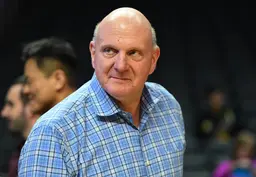
At the center of this scandal is Steve Ballmer, the Clippers owner and one of the wealthiest men in the world, with a net worth of approximately $100 billion. Ballmer invested $60 million in Aspiration—a company that, by all accounts, was set up to facilitate a salary cap circumvention scheme involving his own player.
This raises an uncomfortable question: Is the NBA protecting Ballmer because he is a billionaire owner? Is the league negotiating a settlement quietly rather than issuing a public punishment? Is the 11-month investigation a deliberate stalling tactic designed to avoid holding a powerful owner accountable?
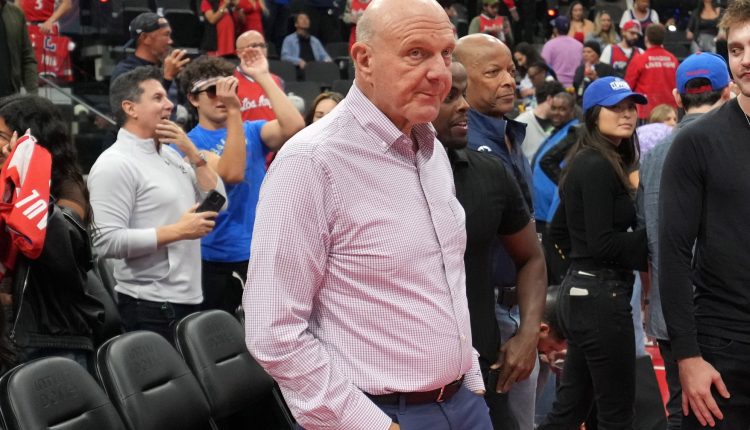
These are not unfounded conspiracy theories. They are reasonable questions based on the facts. The Clippers have cooperated with the investigation. The league has had access to tens of thousands of documents. Yet there is still no resolution. Why?
One possibility: Ballmer’s wealth and influence are protecting him. Another possibility: The league is negotiating a settlement behind closed doors, trying to avoid a public scandal involving one of the NBA’s most prominent owners. A third possibility: The league is simply incompetent, and the delay is the result of bureaucratic dysfunction rather than deliberate protection.
All three possibilities are troubling.
The Bigger Picture: Salary Cap and Fair Value
The Aspiration scandal raises a larger question about the NBA’s salary cap system itself. The league’s salary cap is designed, in part, to suppress player wages and maintain competitive balance.
If the Clippers did circumvent the salary cap to pay Leonard closer to fair market value, are they villains or heroes? Did they find a loophole in an unfair system, or did they cheat? The answer depends on your perspective.
Tom Ley’s critique is worth revisiting: « At worst, the Clippers found a creative way to pay a player something closer to fair-market value instead of participating in the league’s artificial wage-suppression scheme. » That is a fair point. The salary cap system is designed to keep players’ salaries artificially low. If the Clippers found a way around it, they may have been fighting against an unjust system.
But the league’s rules are the league’s rules. If the Clippers broke them, they should be punished. The problem is not whether they broke the rules; the problem is that the league cannot seem to figure out whether they did.
The Kawhi Question
Kawhi Leonard himself remains an enigma in this scandal. He has denied any participation in the investigation, but he has offered no public explanation of his understanding of the Aspiration deal. Did he know it was a fake endorsement? Did he ask questions? Did he simply accept a check without thinking about where it came from?
- Position : Small Forward
- Height : 201 cm
- Age : 35 y/o
- Nationality : United States
- Club : LA Clippers
Stats 2025-2026 / NBA
| PTS | 27.8 | #5 |
|---|---|---|
| REB | 6.3 | #72 |
| AST | 3.6 | #95 |
Leonard is a seven-time All-Star with decades of professional experience. He has negotiated multiple contracts. He has worked with agents and advisors. It strains credulity to believe that he did not understand what was happening. But it is also possible that he was kept in the dark, that the Clippers simply handed him money and told him not to ask questions.
If Leonard knew and participated in the circumvention scheme, his contract could be voided. If he did not know, he may escape consequences while the Clippers take the hit. Either way, his reputation has been damaged by association with the scandal.
The silence from Leonard’s camp is notable. A simple statement could shift public perception. The fact that no such statement has been issued suggests either that Leonard’s advisors believe silence is the best strategy, or that Leonard himself is uncertain about his own culpability.
The Raptors’ Dilemma
The Toronto Raptors are in an impossible position. They want Kawhi Leonard. He led them to a championship in 2019, and they believe he can lead them back to contention. But they are now being asked to assume the risk of an investigation whose outcome is unknown.
The NBA’s warning to Toronto was essentially: « You can trade for this player, but you might inherit penalties that we haven’t even determined yet. » That is not a fair choice. It is a choice between an unknown risk and no player at all.
The Raptors chose to pause the trade rather than assume the risk. But they are also losing time. Training camp is approaching. The offseason is running out. At some point, they will have to make a decision: Do they assume the risk and complete the trade, or do they walk away and rebuild without Leonard?
If they walk away, they lose Brandon Ingram and Gradey Dick for nothing. If they complete the trade and Leonard is suspended or his contract is voided, they lose those assets for a damaged or non-existent player. There is no good option.
The League’s Incompetence
The real scandal here is not the Aspiration deal. It is the NBA’s inability to manage the investigation. An 11-month probe into an apparent salary cap violation, with no resolution in sight, is not thorough. It is incompetent.
The league had multiple opportunities to handle this better. It could have warned all teams about Leonard’s status before free agency began. It could have completed the investigation before allowing the trade to be announced. It could have given the Raptors a clear timeline for resolution.
Instead, it did none of these things. It allowed the trade to be announced, then warned the Raptors ten days later that they might inherit penalties. It allowed the investigation to drag on for eleven months without resolution. And now it is expanding the investigation to include additional issues that should have been identified months ago.
Commissioner Silver’s statement—that the investigation « needs to be wrapped up before next season »—is an admission of failure. The investigation should have been wrapped up months ago. The fact that it is still ongoing, and expanding, suggests a league that is not in control of its own affairs.
The Frozen Offseason
The impact of this investigation extends far beyond the Kawhi Leonard trade. The entire NBA offseason has been frozen by two simultaneous crises: LeBron James’ prolonged free agency decision and the Kawhi Leonard investigation.
Teams cannot finalize their rosters. Players cannot plan their futures. Free agents cannot sign with new teams. The Warriors cannot re-sign Draymond Green. The Raptors cannot complete their trade. The Clippers cannot move forward with their rebuild. Everyone is waiting.
This is not how a professional league should operate. The offseason should be a period of activity and movement, with teams building their rosters and players finding new homes. Instead, it has become a period of stasis, with everyone waiting for the NBA to figure out what it is doing.
What Happens Next?
The range of possible outcomes remains wide. The investigation could conclude before training camp, with the Clippers facing a minor penalty and the trade being finalized. Or it could drag into the season, leaving everyone in limbo. Or it could conclude with a suspension or voided contract that collapses the entire deal.
What is certain is that the NBA’s handling of this case has inflicted damage of its own. The league has lost credibility. Teams cannot trust that they will be informed of potential issues before announcing trades. Players cannot trust that investigations will be conducted fairly and efficiently. And fans cannot trust that the league is in control of its own rules and enforcement.
The Kawhi Leonard trade freeze is not just about one player or one team. It is a symptom of a league that is struggling to govern itself. And until the NBA resolves this investigation and learns from its mistakes, the damage will continue to spread.
Brandon Ingram
Follow
LeBron James
Follow
Draymond Green
Follow
Kawhi Leonard
Follow
Golden State Warriors
Follow
NBA
Follow

LA Clippers
Follow

Toronto Raptors
Follow
An American in France, Julien Burke works in both languages and both basketball worlds. He follows the NBA and the WNBA as closely as the EuroLeague, and likes nothing better than explaining one to the other: the European seasons behind an overnight breakout, how a signing really got done. Context over box scores, every time.


Comments (0)