
Red Star vs Partizan: an experience you have to live at least once
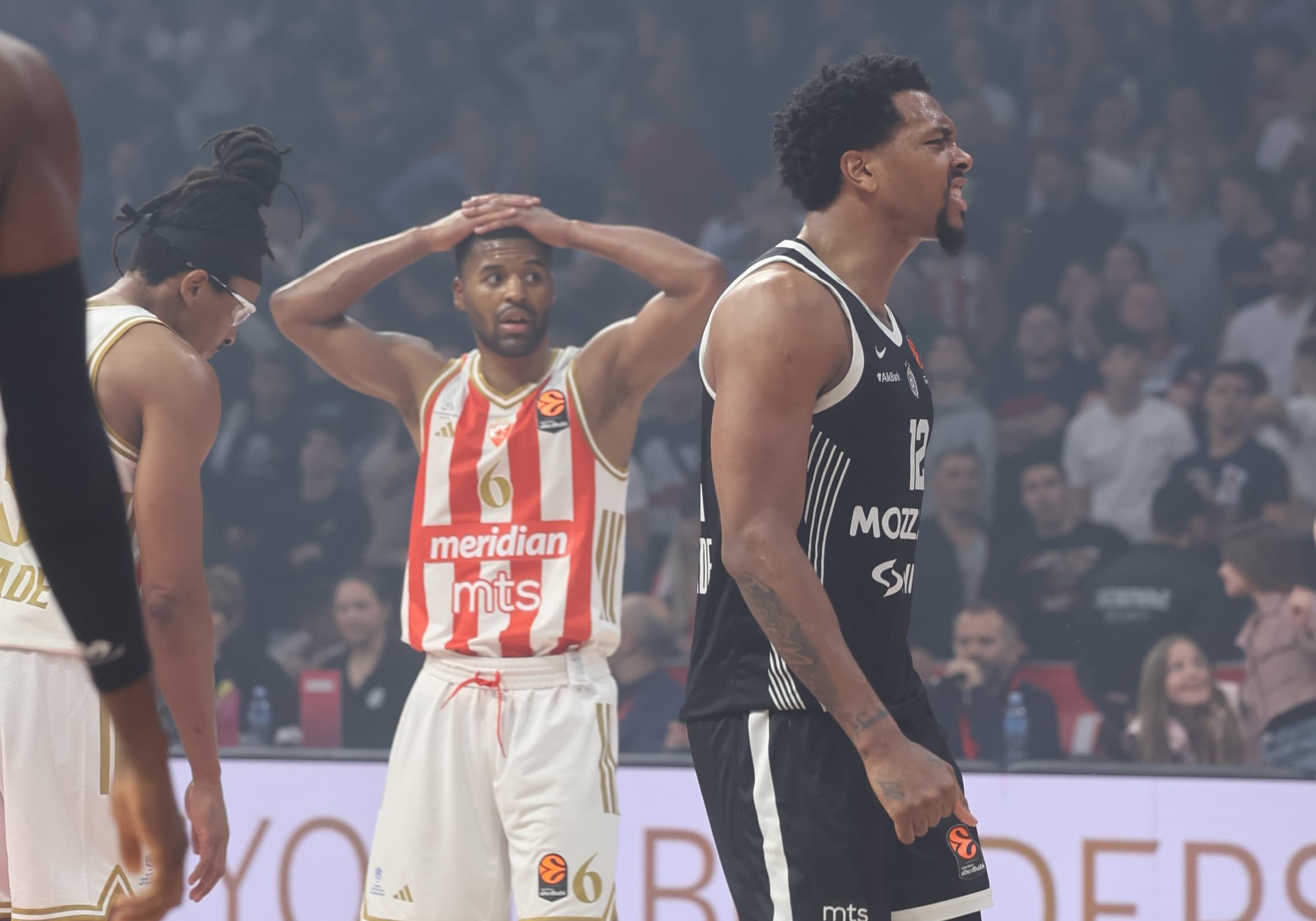
On the sporting side first: Partizan continues its great run
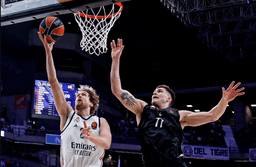
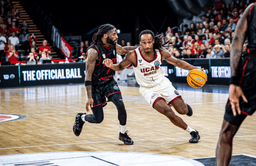
And while the home side came out sharper after the break, the balance eventually tilted back the other way. The court vision of Nick Calathes, the perimeter accuracy of Isaac Bonga, and the overall shot-making of Carlik Jones helped Partizan Belgrade create separation again.
Jones delivered the dagger moment. On a call by Mehdi Difallah, he converted a crucial and-one with 28.1 seconds left, just as KK Crvena zvezda had cut it back to a one-possession game (79–82).
That sequence was enough to seal Partizan’s 15th win in 35 games — a result that, beyond the standings, gives a late-season boost to their EuroLeague campaign, both on paper and in momentum.
Despite the efforts of former Burgos guard Codi Miller-McIntyre, KK Crvena zvezda, like AS Monaco, takes a costly 16th loss in the playoff race.
Still, nothing is decided yet. With three rounds to go, everything remains open for Chima Moneke and his teammates — even if the margin for error is now almost gone.
Off-court, far from the polished — and sanitized — world of 2026
The atmosphere — that’s part of the spectacle, too.
On the way in, Spanish fans had made the trip from Majorca or FC Barcelone just to experience it — to step into something that, in European basketball, still feels unique. Beyond the sheer scale of a 20,000-seat arena, it’s a different world from what you see — or no longer see — in Western Europe.
The edge is constant. Insults flying, tensions bubbling over into occasional scuffles, and that lingering haze in the air — tobacco still burning in the stands, something long gone elsewhere. It’s raw, unfiltered, and at times uncomfortable.
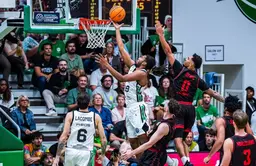
Confined to a section of the upper tier, the Partizan Belgrade supporters never stopped. Jumping, chanting, moving in waves — and at times lighting flares — they turned their corner of the arena into something alive, relentless, almost detached from the game itself.
The rest of the crowd picked its moments — but when it did, it hit. And that’s the difference. Unlike other EuroLeague arenas, like Olympiacos BC., where a core ultras section (2,000 to 3,000 strong) carries most of the noise, this is collective. The whole building gets involved. Waves of chants roll through the arena — sometimes to lift their team, sometimes just to rattle the opponent.
As for the organization — fair warning, and without sounding ungrateful — it’s… baroque.
A long way from the polished environments you’ll find in LNB Pro A, often criticized for being too amateur, the setup here doesn’t exactly cater to ideal working conditions. Press seats with limited visibility, a stretched team of young volunteers, no Wi-Fi, no real press room — nothing that resembles an NBA-style operation.
And yet, that’s part of it. Part of the texture. The friction. You start to understand why the most structured league in the world doesn’t necessarily project itself into this environment — but also why something would be lost if it did.
Because in the end, that’s the trade-off: comfort versus intensity, control versus chaos. And as the title suggests — this is something you have to experience at least once.









Comments (0)