
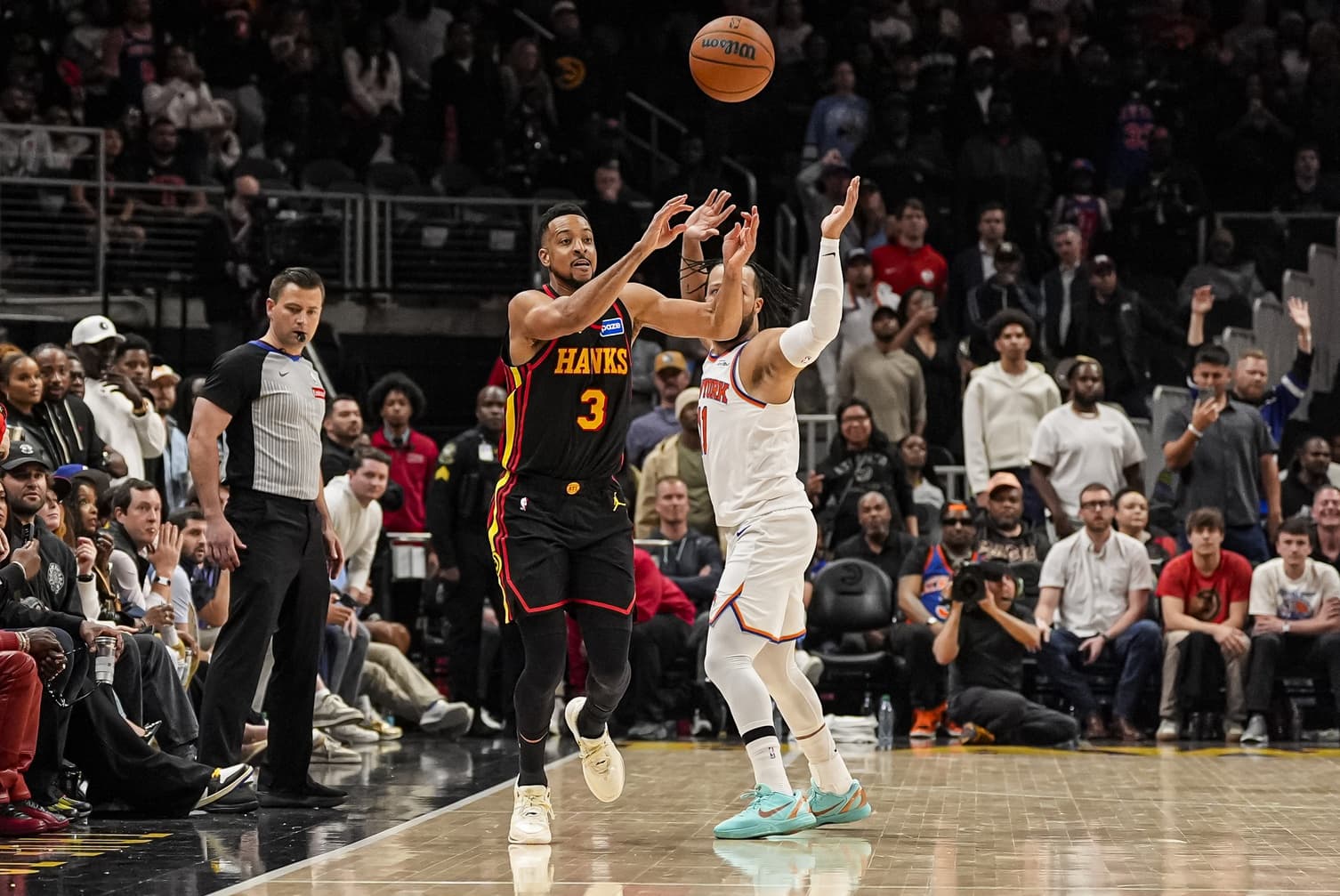
NBA: Why Playing Faster Makes Teams Less Efficient on Offense
The fastest NBA teams paradoxically have the worst offenses in the league. An unprecedented trend that challenges conventional wisdom about pace of play and could transform the 2025-2026 playoffs.
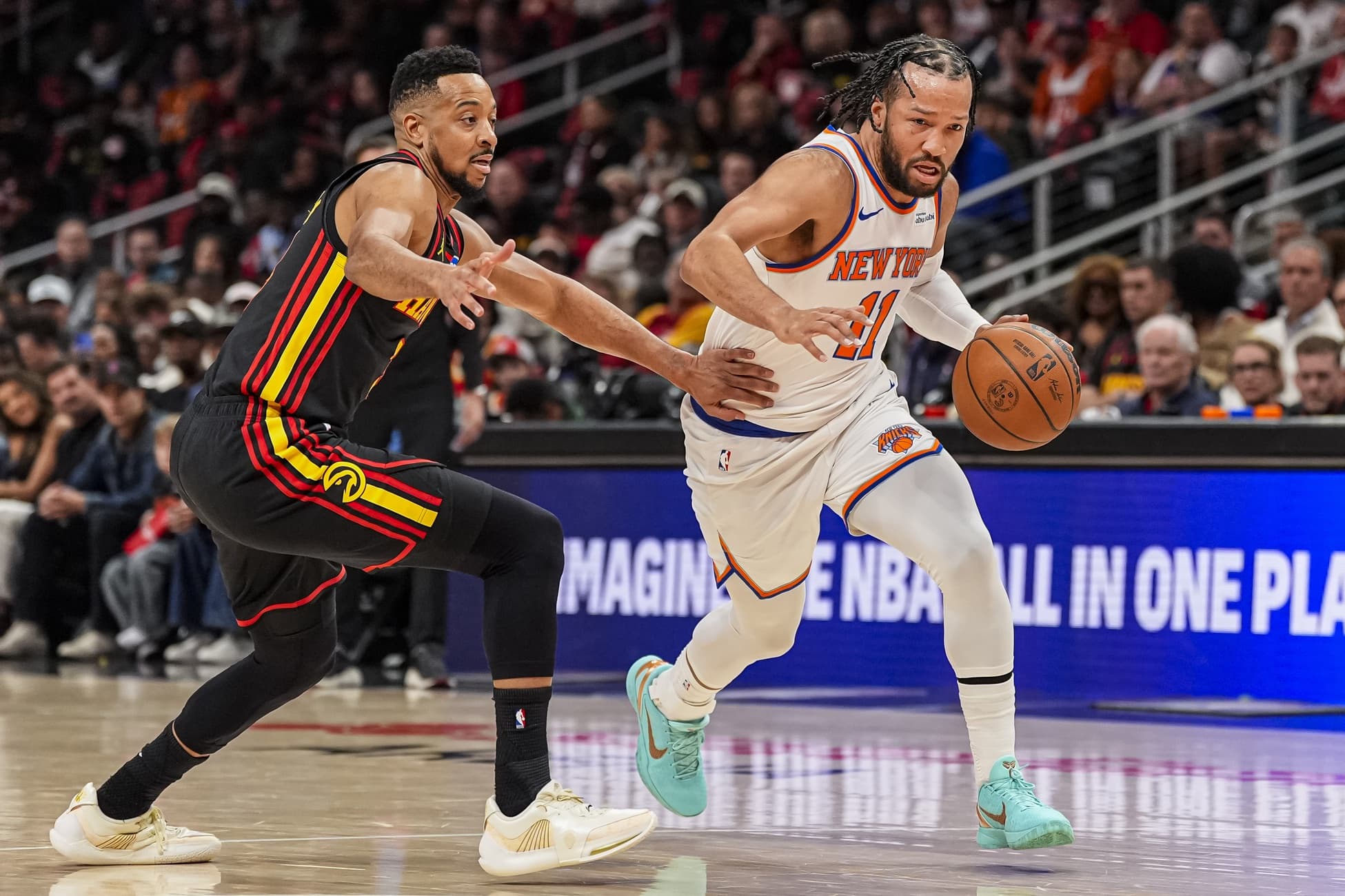
Apr 6, 2026; Atlanta, Georgia, USA; New York Knicks guard Jalen Brunson (11) dribbles against Atlanta Hawks guard CJ McCollum (3) during the first half at State Farm Arena. Mandatory Credit: Dale Zanine-Imagn Images
Photo Credit : © Dale Zanine-Imagn Images
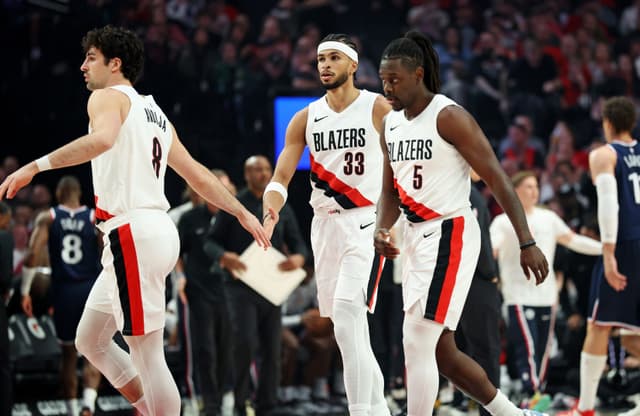
Every fall before the season, the same refrain echoes across the NBA: teams want to play faster. This season, the New York Knicks, Orlando Magic, Portland Trail Blazers, Miami Heat, Memphis Grizzlies and Chicago Bulls all declared that ambition. A record 18 teams are maintaining an average of at least 100 possessions per game, compared to just two a decade ago.
“You always want to be able to play faster. You want to play fast,” confirms Knicks coach Mike Brown. “We are effective when we play fast, and we want to keep doing it as much as possible.”
A Paradox That Defies Modern Logic
Yet a surprising phenomenon is emerging this season: the fastest teams have the worst offenses, while the slowest teams excel offensively. None of the ten highest-pace teams ranks in the top 10 in offensive efficiency. Only the Atlanta Hawks and Minnesota Timberwolves hold a top-8 spot in their respective conferences.
Conversely, five of the ten slowest-paced teams rank among the league’s top ten offenses. The Boston Celtics, New York Knicks and Charlotte Hornets — three of the five best offenses — are among the slowest teams. The Denver Nuggets, the league’s most efficient offense, rank just 20th in pace.
“Analytically speaking, shots in the first seven seconds are clearly the highest-percentage shots,” explains Bulls coach Billy Donovan. “But if you’re running down the floor and firing up quick, contested three-pointers under heavy pressure, you’re probably not going to have a very good rating, even within the first seven seconds.”
Talented Teams Favor Patience
This negative correlation between pace and offensive efficiency is a historical record dating back to 1996-1997. The explanation lies partly in the distribution of talent: only five All-Stars play on top-10 pace teams, compared to twelve on the slowest teams, including superstars like Luka Doncic, LeBron James and Giannis Antetokounmpo.
“A lot of the best teams play at a slower pace,” observes LA Clippers coach Tyronn Lue. “I think when you play with stars or max players, they’re going to slow the offense down because you want to play through them and get them the ball.”
Nuggets coach David Adelman confirms this approach: “We have one person we can run our offense through who allows us to be efficient, especially in the back half of the shot clock. Our roster isn’t built to play fast.”
This trend could radically reshape the 2025-2026 playoffs, which are traditionally slower than the regular season, pushing the game toward an even more deliberate, half-court style of play.

Luka Doncic
Follow

Giannis Antetokounmpo
Follow

LeBron James
Follow

Chicago Bulls
Follow

New York Knicks
Follow

Charlotte Hornets
Follow

Minnesota Timberwolves
Follow

Miami Heat
Follow

Atlanta Hawks
Follow

Portland Trail Blazers
Follow

NBA
Follow

Memphis Grizzlies
Follow

Denver Nuggets
Follow

Mike Brown
Follow

Boston Celtics
Follow

Orlando Magic
Follow

With a background in sports management, Nicolas Flamecourt covers NBA news with a particular passion for the North American league, which he has been following for several years. He also covers the NCAA, including news and scouting of future prospects, and regularly conducts interviews with French players as well as players competing in Europe.








Comments (0)