
How the FIBA World Cup break cost the WNBA its best month
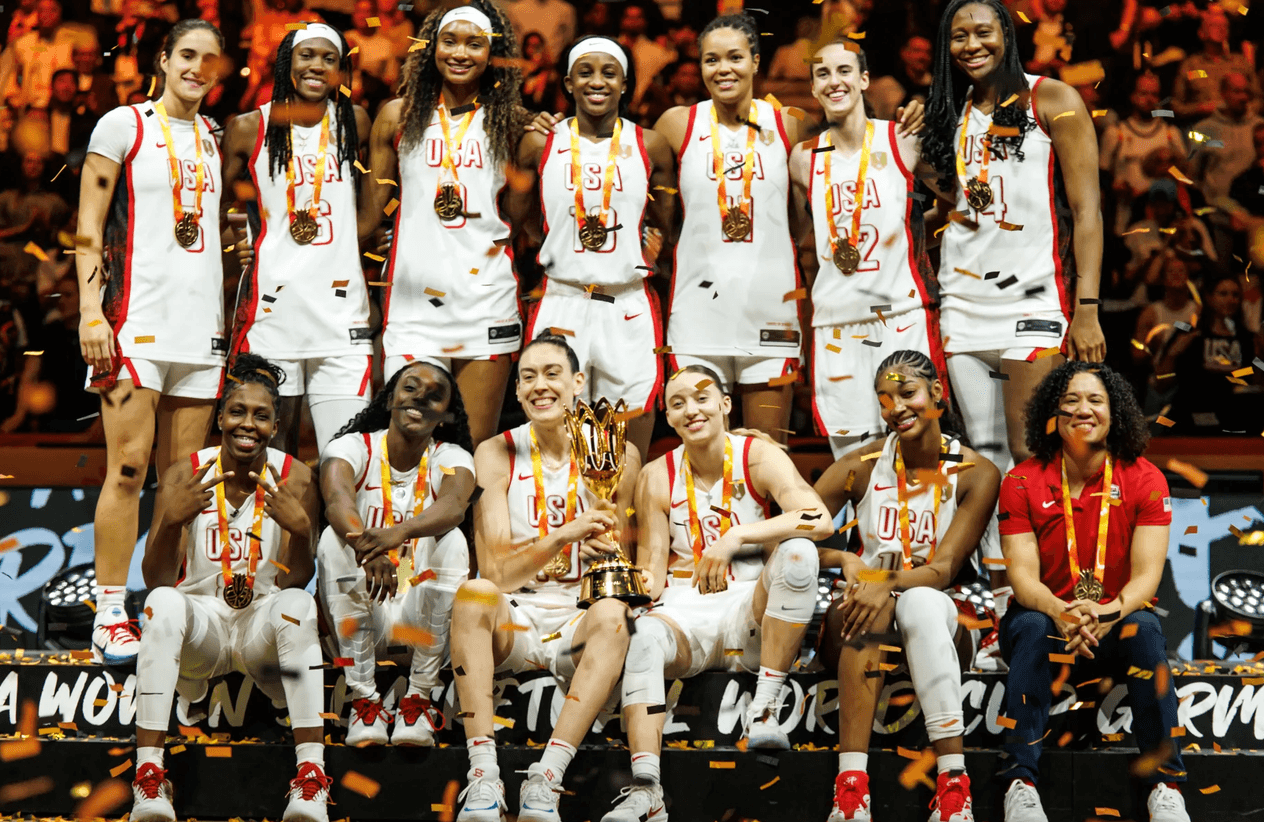
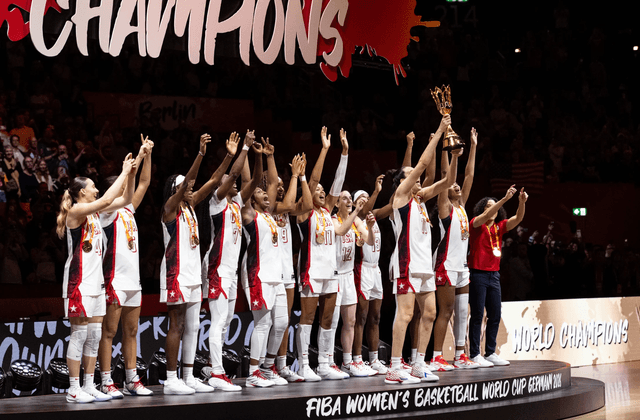
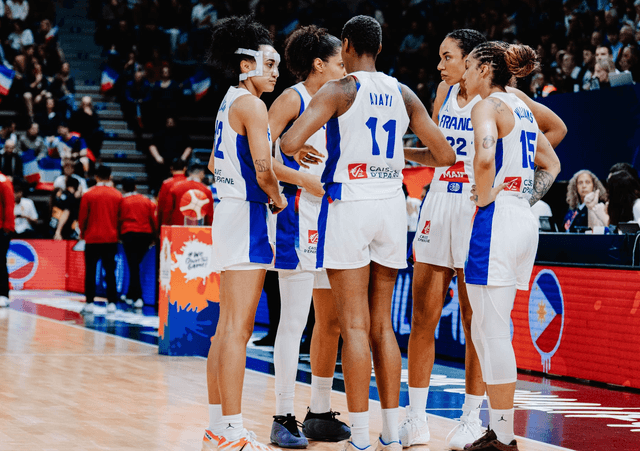
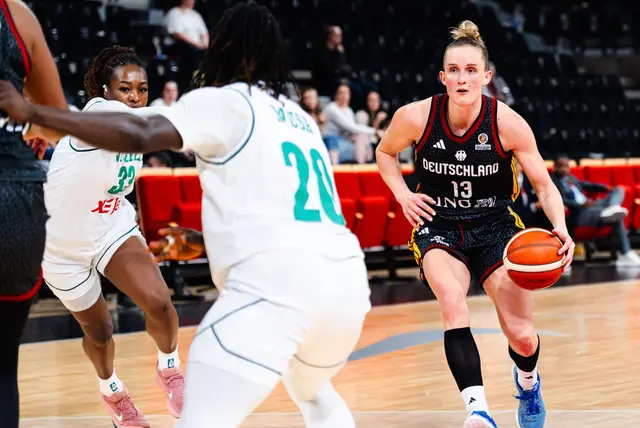
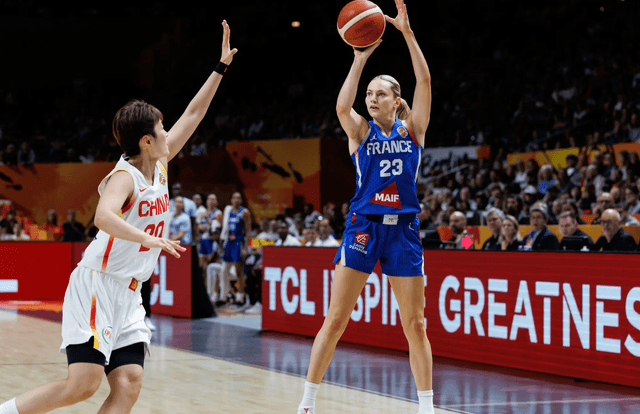
The WNBA went dark from August 31 to September 16, 2026, so players could join their national teams for the FIBA Women's Basketball World Cup, according to Yahoo Sports. The 20th edition of the tournament ran in Berlin, Germany, from Friday, September 4 through September 13, pulling national-team players out of a regular season that still had games left to play. San Francisco Chronicle columnist Bruce Jenkins called the timing "absurd," writing on August 29 that "here we have a nine-day tournament that finds the WNBA suddenly going dark near the end of its regular season, then resuming with only four games remaining per team." That gap between a nine-day international event and a three-week league shutdown is the starting point for understanding what the WNBA gave up this September.
Golden State's momentum put on ice
No team had more to lose from the break than the Golden State Valkyries, whom Jenkins identified as the league's hottest team heading into the pause. Golden State's schedule stopped after a Sunday game against Portland and did not pick back up until September 18 — "nearly a three-week break for the league's hottest team," Jenkins wrote, "all the while uncertain about their playoff opponent, with the seedings still to be determined." A team riding momentum into the stretch run was forced to sit and watch the playoff picture take shape without playing a single game to influence it. Valkyries player Gabby Williams, quoted by Jenkins, said of the break, "I trust my teammates. I think we'll be back like nothing happened." Her confidence doesn't erase the structural problem: a contender losing three weeks of rhythm right as seeding gets decided is exactly the kind of disruption a league angling for a bigger fall audience can't afford.
A torn ACL that outlasts the tournament
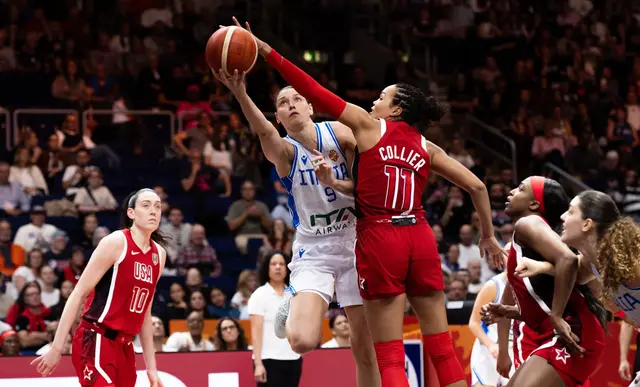
The break's cost wasn't only measured in rhythm. Seattle's Ezi Magbegor tore her right ACL while representing Australia in an 82-80 World Cup qualification win over Italy, an injury that will keep her out for the rest of the 2026 WNBA season, according to Yahoo Sports. Australia's tournament run ended without her, closing with an 89-66 loss to Spain. The injury drew a pointed reaction on social media, with one user quoted by Yahoo Sports writing, "FIBA Meaningless Games & Now Your $1.2M Player Probably Out for 2027 Also." Whatever the number attached to Magbegor's salary, the underlying point holds: a WNBA player suffered a season-ending injury in a game that had nothing to do with the WNBA's own competitive stakes, at a moment when her team, Seattle, sitting at 8-31 and already eliminated from playoff contention, had little margin to spare her.
Landing in a fall sports calendar already full
FIBA appears to have absorbed the criticism. Jenkins noted that "apparently getting the message," the federation won't launch the 2030 World Cup until the last week of November. That fix comes too late for 2026, though, and the damage runs deeper than one tournament. Jenkins drew a useful contrast with the pause the WNBA took for the 2024 Paris Olympics, which "made a lot more sense" because the All-Star break split that season roughly in half, leaving defending champion New York Liberty with 15 games still to play afterward. This year's World Cup break, by comparison, landed the league back on the floor on September 17 — Seattle's return date, in a game against reigning champion Las Vegas under Becky Hammon — with the playoffs opening just ten days later, on September 27, and running through October 31 if the Finals go the distance, per Yahoo Sports' release of the 2026 playoff schedule.
That compressed restart drops the WNBA squarely into a fall sports calendar it doesn't control. The NFL regular season is already under way by mid-September, and the WNBA playoffs will now share attention with an MLB postseason chase that outlets were tracking through the same stretch. None of that is a problem for the players' national federations — Australia, Italy, Spain and every other country in Berlin got a full showcase for their stars. It's the WNBA that had late August and early September largely to itself before the break, a window it could have used to build on a season already drawing crowds: ten of its 15 franchises are averaging more than 10,000 fans a game, Jenkins noted, with four of the remaining five posting five-figure crowds at times, and the parallel women's 3x3 league Unrivaled now valued at $650 million. Whether the league can recapture that late-summer window before the 2030 calendar shift arrives is the question hanging over its next few Septembers.















Comments (0)