
WNBA rookie pay just jumped sixfold — here’s what Olivia Miles and Dominique Malonga are actually making
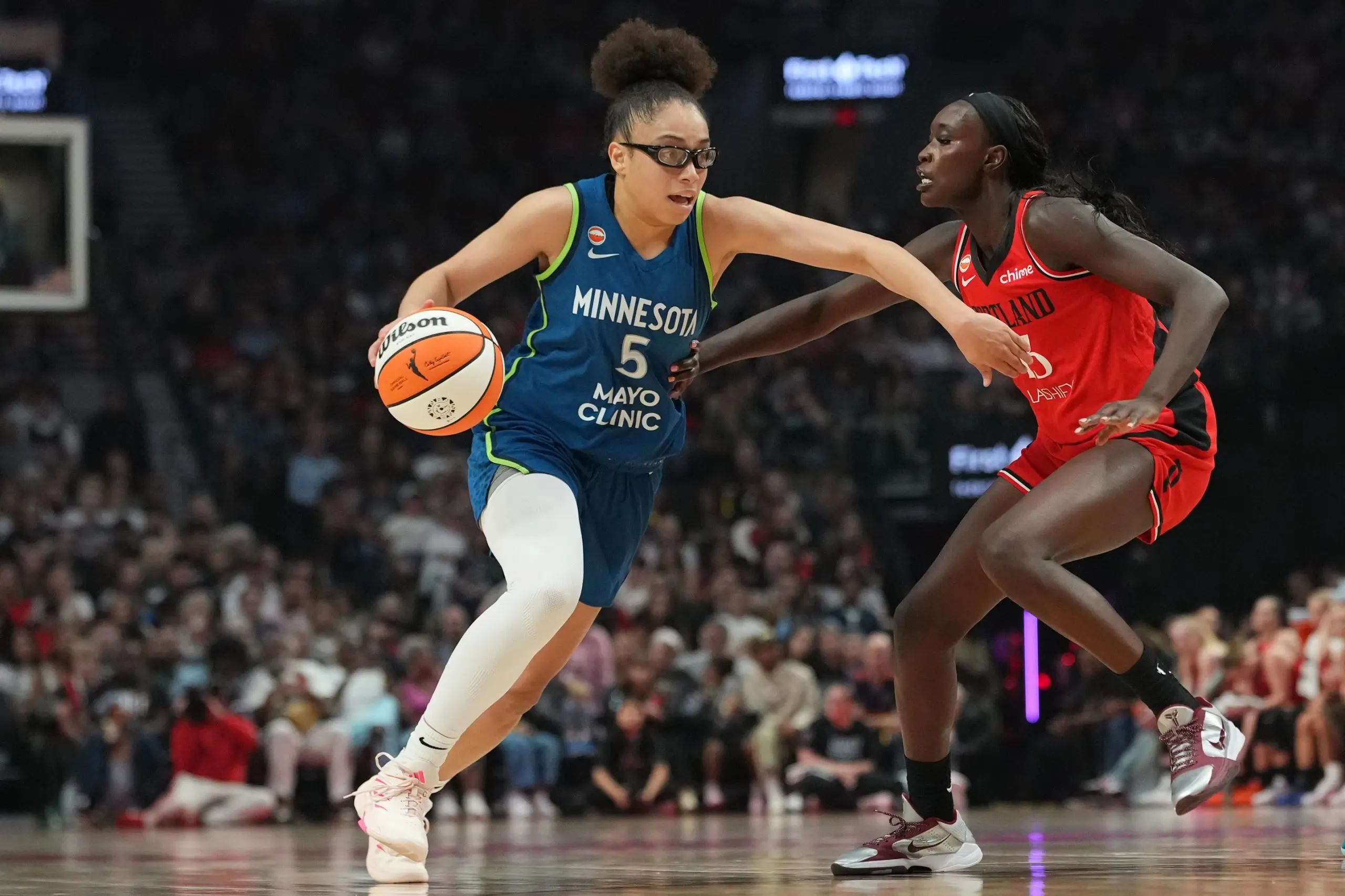
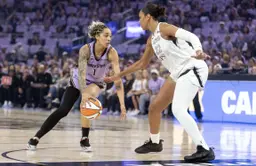
Aug 12, 2026; Portland, Oregon, USA; Minnesota Lynx guard Olivia Miles (5) dribbles against Portland Fire forward Nyadiew Puoch (13) during the first half at Moda Center.
The WNBA’s new collective bargaining agreement, reached in March 2026, pushed the league’s No. 1 draft pick salary from $78,831 in 2025 to $500,000 in 2026 — a roughly sixfold jump in a single year. Under that same deal, Miles, the No. 2 pick in the 2026 WNBA Draft, and Dominique Malonga, the No. 2 pick in 2025, both carry $466,913 in guaranteed money this season, a coincidence rooted in how the league’s new rookie pay scale actually works.
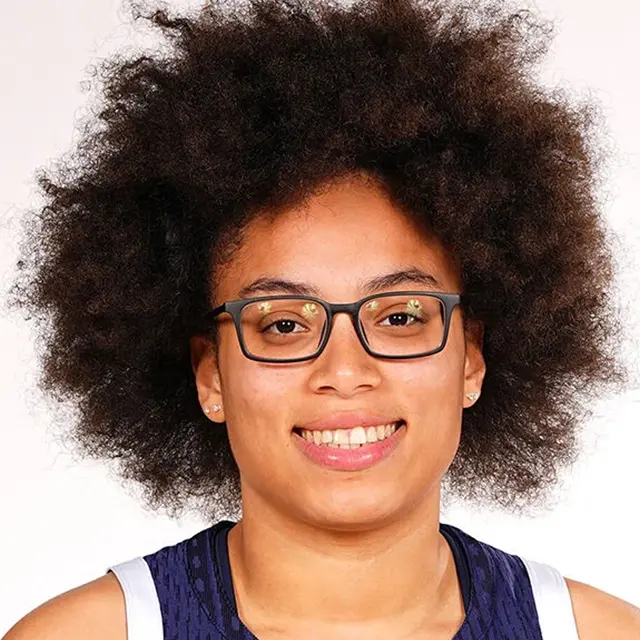
- Position : Guard
- Height : 178 cm
- Age : 23 y/o
- Nationality : United States
- Club : Minnesota Lynx
Stats 2026-2027 / WNBA
| PTS | 19.2 | #11 |
|---|---|---|
| REB | 4.7 | #37 |
| AST | 5.7 | #8 |
A new CBA reshapes rookie pay
The WNBA and its players’ union reached the tentative deal in March 2026, a seven-year agreement running through the 2032 season, according to the league. ESPN reported the new deal set an opening salary cap of $7 million, while the league said the agreement “establishes a new rookie contract scale that significantly increases salaries for top draft picks” and adjusts existing rookie contracts upward.
That last piece explains why Miles and Malonga land on the same number. The new rookie scale assigns a fixed salary to each pick position, regardless of draft year — and both players were picked second overall, Miles in 2026 and Malonga in 2025. Once the 2026 CBA reset the scale, Malonga’s remaining contract years were escalated onto that same slot under the 2026 CBA adjustment, which is why the two now line up at an identical figure despite being drafted a year apart.
Miles signed a four-year, $2,090,240 contract with the Minnesota Lynx after being drafted, with $466,913 guaranteed and an average annual salary of $522,560, per Spotrac. She’s averaging 18.8 points, 4.4 rebounds and 5.8 assists across 37 games in the 2026 regular season. In a poll of WNBA general managers published in May 2026 by WNBA.com and ESPN, Miles drew 73% of the vote as the player most likely to win Rookie of the Year, compared with 20% for Azzi Fudd, the No. 1 overall pick.
Malonga’s case shows how large the reset was. She earned $78,831 in her 2025 rookie season with Seattle under the previous pay structure, part of an original three-year, $247,688 deal. Once the CBA reset took effect, her remaining contract years were re-escalated well beyond that original total: $466,913 for 2026, $513,605 for 2027 and a $580,373 club option for 2028, according to Spotrac.
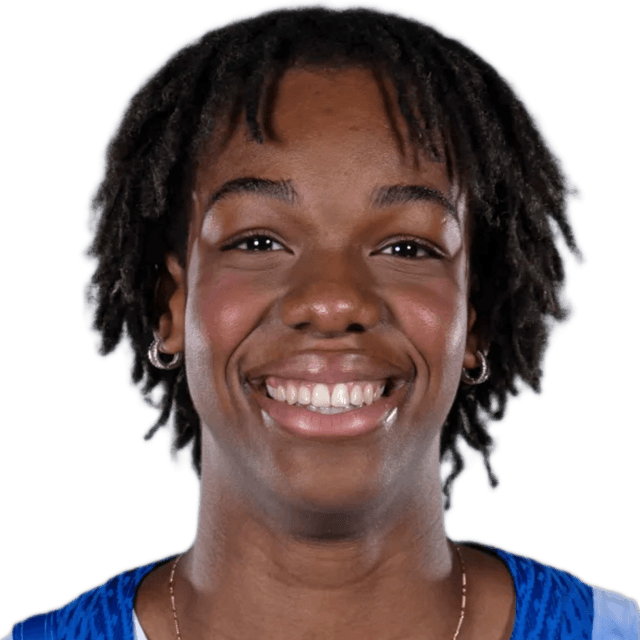
- Position : Center
- Height : 198 cm
- Age : 20 y/o
- Nationality : France
- Club : Seattle Storm
Stats 2026-2027 / WNBA
| PTS | 17.1 | #18 |
|---|---|---|
| REB | 8.8 | #8 |
| AST | 1.7 | #93 |
How rookie pay compares — and what could change next
Malonga had also signed with Fenerbahçe in Turkey, but did not fulfill that deal and returned to Seattle instead, according to ESPN. Like many WNBA players, she supplements her income during the offseason through leagues such as Unrivaled, which paid an average salary of about $220,000 for the 2026 season — still less than half of her guaranteed WNBA figure.
The real gap in women’s basketball pay isn’t inside the WNBA — it’s with the NBA. Cooper Flagg signed a four-year, $62,730,226 NBA contract, an average annual salary of $15,682,557, according to Spotrac and CBS Sports — roughly 30 times Miles’ average annual salary under her WNBA rookie deal. Even Fudd, the No. 1 pick in 2026, will earn $500,000 this season and $646,360 in the final year of her rookie contract, according to CBS Sports and Sportico, up from the $78,831 Paige Bueckers made as the No. 1 pick in 2025, per The Athletic.
The newsroom debate · WNBA vs NBA
Should WNBA rookie salaries keep climbing toward NBA levels?
- Yes
- No
What could shift those numbers further is a new provision in the CBA known as EPIC, for Exceptional Performance on Initial Contract. According to ESPN, it “allows players to renegotiate what would have been the fourth year of their rookie deal and agree to a three-year contract extension,” and a player previously named to the All-WNBA First or Second Team “can earn the maximum in that fourth year.” The clause is now built into the league’s pay structure, tying a rookie’s fourth-year earning potential to All-WNBA recognition.








Comments (0)