
Penny Hardaway returns to Memphis for ninth season after disappointing 2025-2026 campaign
Coaching changes - Memphis basketball has confirmed that Penny Hardaway will return as head coach for the 2026-2027 season despite a 13-19 record, with significant staff changes including the departure of four coaching staff members and plans to hire a general manager.
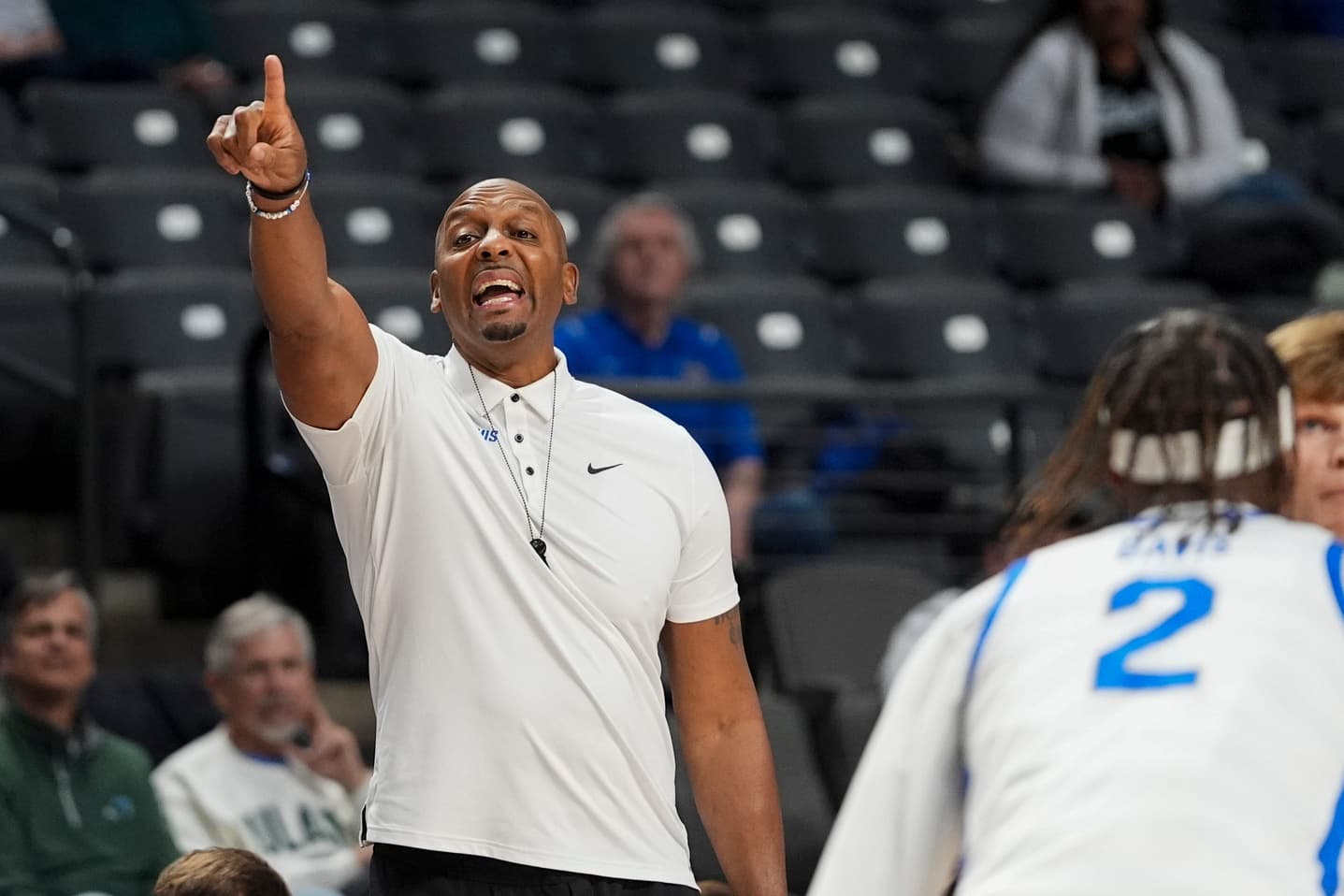
Memphis’ head coach Penny Hardaway shouts to one of his players during the first round American Conference Tournament game between Memphis and Tulane in Birmingham, Ala, on March 11, 2026.
Memphis basketball is moving forward with Penny Hardaway for another season, but significant changes are coming to the program. After a disappointing 13-19 campaign that marked his first losing season in eight years at the helm, Hardaway will return for his ninth season as head coach of his alma mater.
Athletic director Ed Scott confirmed the decision in a school release on March 16, expressing confidence in Hardaway’s commitment to the program. Penny is deeply committed to this program and to the University of Memphis, Scott said. We have had productive conversations about the future of Memphis Basketball and the steps necessary to position our program to compete at a high level. I appreciate Penny’s willingness to evaluate every aspect of the program and make the adjustments needed to achieve our ultimate goal of postseason success.
Major staff overhaul planned
The return comes with substantial changes to the coaching staff. Assistant coaches Mike Davis, Jermaine Johnson and Roy Rogers are departing, along with strength and conditioning coach Todd Forcier. Additionally, the program plans to hire a general manager as part of the restructuring efforts.
Hardaway acknowledged the difficult decisions while expressing gratitude for the departing staff members. I’m grateful for the work that Mike, Jermaine, Roy and Todd have put into this program and the support they’ve provided to our student-athletes, Hardaway said. As we look ahead, it’s important that we continue to evaluate our program and make the adjustments necessary to compete at the highest level. Our focus is on building a staff and culture that will help Memphis Basketball reach the standard that our university, our fans and our city expect.
The 2025-2026 season represented a significant step backward for Memphis, which had reached the NCAA tournament three of the previous four years. The Tigers struggled throughout the campaign, enduring a seven-game losing streak before the regular-season finale and falling to Tulane in the first round of the American Conference tournament.
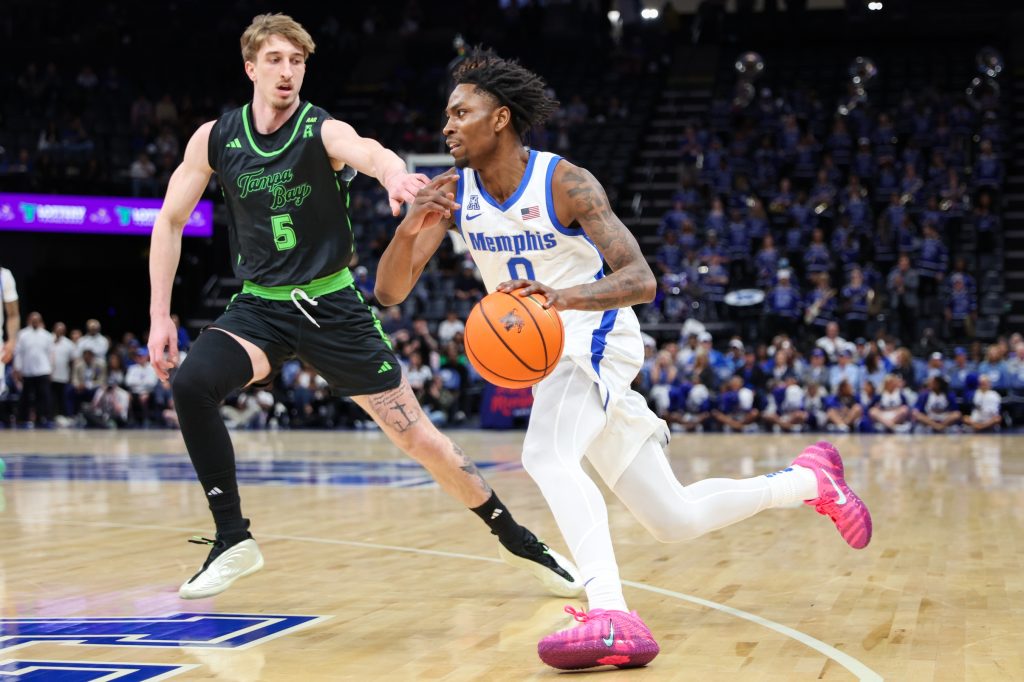
Hardaway didn’t shy away from the harsh reality of the season’s outcome. Following the conference tournament loss, he openly labeled it a failure, leaving little room for interpretation. “It was a failure, for sure,” Hardaway said. “You can’t categorize it anywhere else, any other way. We didn’t do what we needed to do. We failed.” He took full responsibility for the shortcomings, emphasizing that the team never fully reached the level of collective commitment required to succeed over the course of the season. “I’m the head of that failure,” he added. “I couldn’t get the guys to fully buy in every single game.”
At the same time, Hardaway stressed that failure does not define a program long-term. He pointed out that many successful teams have gone through similar setbacks before bouncing back stronger. For him, the challenge now is to turn this disappointment into a learning experience and rebuild a stronger culture moving forward — one built on consistency, accountability, and full engagement from the roster.
Despite this difficult campaign, Hardaway’s overall body of work at Memphis remains solid. He holds a 175–87 record during his tenure, with three NCAA tournament appearances and one tournament win. Still, expectations around the program remain high, and recent results have raised questions about the team’s direction and ceiling under his leadership.
From a contractual standpoint, Hardaway still has time to turn things around. He has two years remaining on his deal, which runs through April 2028, and a buyout estimated at nearly $6 million if the program were to move on this year. For now, however, the focus remains on internal adjustments and a potential rebound next season.

NCAA
Follow
Sylvain Sultat follows the NBA on a daily basis, covering individual performances, team dynamics, and the league's greatest stories. On Be-Basketball, he breaks down the latest American basketball news with passion and consistency, always on the lookout for the trends shaping the world of basketball.

Comments (0)