
ASVEL is the EuroLeague club with the most players from its own country
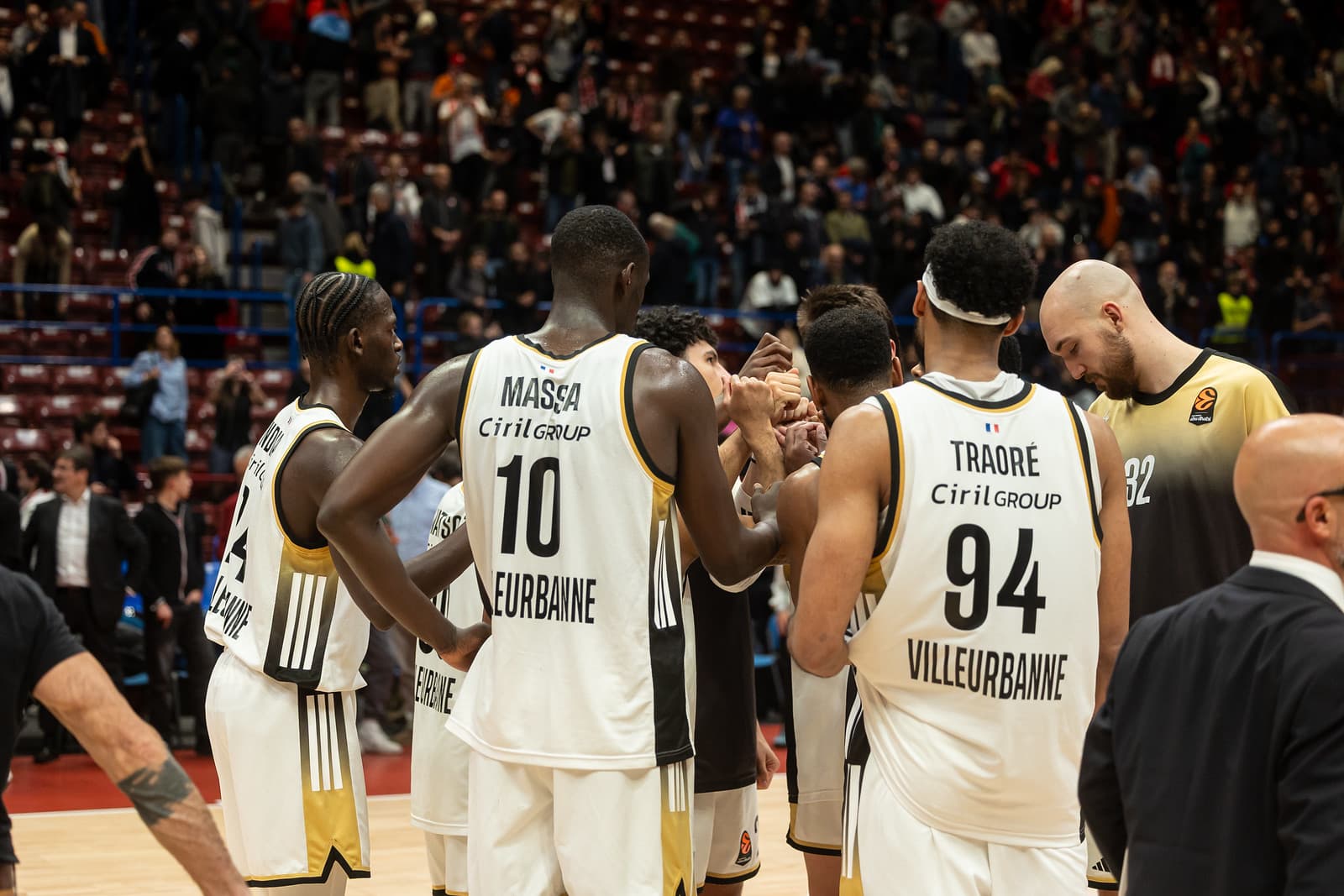
A new statistical study places ASVEL at the top of a particularly revealing ranking concerning the use of players from its country in EuroLeague. Conducted by statistician Darius Garuolis, this analysis highlights the sporting policy of the Rhône-Alpes club regarding the promotion of French talent.
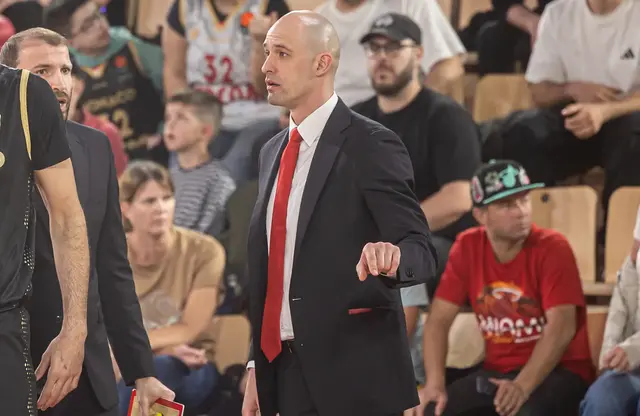
Pierric Poupet relies on French players
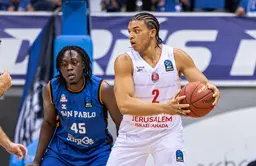
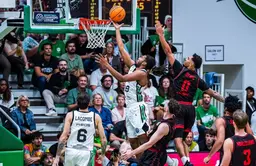
Under the direction of Pierric Poupet, ASVEL gives nearly half of total playing time to players of French nationality. This statistic, which does not take into account naturalized players, positions the Villeurbanne club as the most committed to developing national talent among the 18 EuroLeague teams.
The departure of Nando De Colo to Fenerbahçe, who averaged 21 minutes last season, mechanically reduced the average playing time given to foreign players since two foreign players replaced him: Braian Angola (1.98 m, 31 years) and Paul Eboua (2.02 m, 25 years).
Striking disparities between European clubs
The study reveals considerable gaps between different European teams. In contrast to ASVEL, some clubs choose a completely different approach. Dubai BC perfectly illustrates this trend with no Emirati players in its roster, a logical situation for a team called artificial that owes its place in EuroLeague to massive financial investments.
As every year, Baskonia, the Basque club from Vitoria, also ranks among the poor performers in this classification, despite Spain’s repeated successes in youth competitions. Of the 18 players on the Basque roster, only Rafa Villar represents Spanish colors, with only 8 appearances averaging 5 minutes per game. The locally trained players on the roster are often foreigners recruited at the beginning of the training center, as was Sidy Cissoko (1.98 m, 21 years) in his time.
Years pass, ASVEL’s budget doesn’t take off or even drops, but the Rhône-Alpes club maintains a simple strategy: serve as a springboard for numerous French talents on the EuroLeague stage. From Guerschon Yabusele to Neal Sako, including Elie Okobo or Moustapha Fall, this project continues, with varying degrees of success. Success for some players, less so for the club which struggles to shine in European competition. But at least it maintains a strong interest in French basketball and a real sense of purpose.

Comments (0)