
FIBA Women’s World Cup 2026: full schedule, groups and rosters
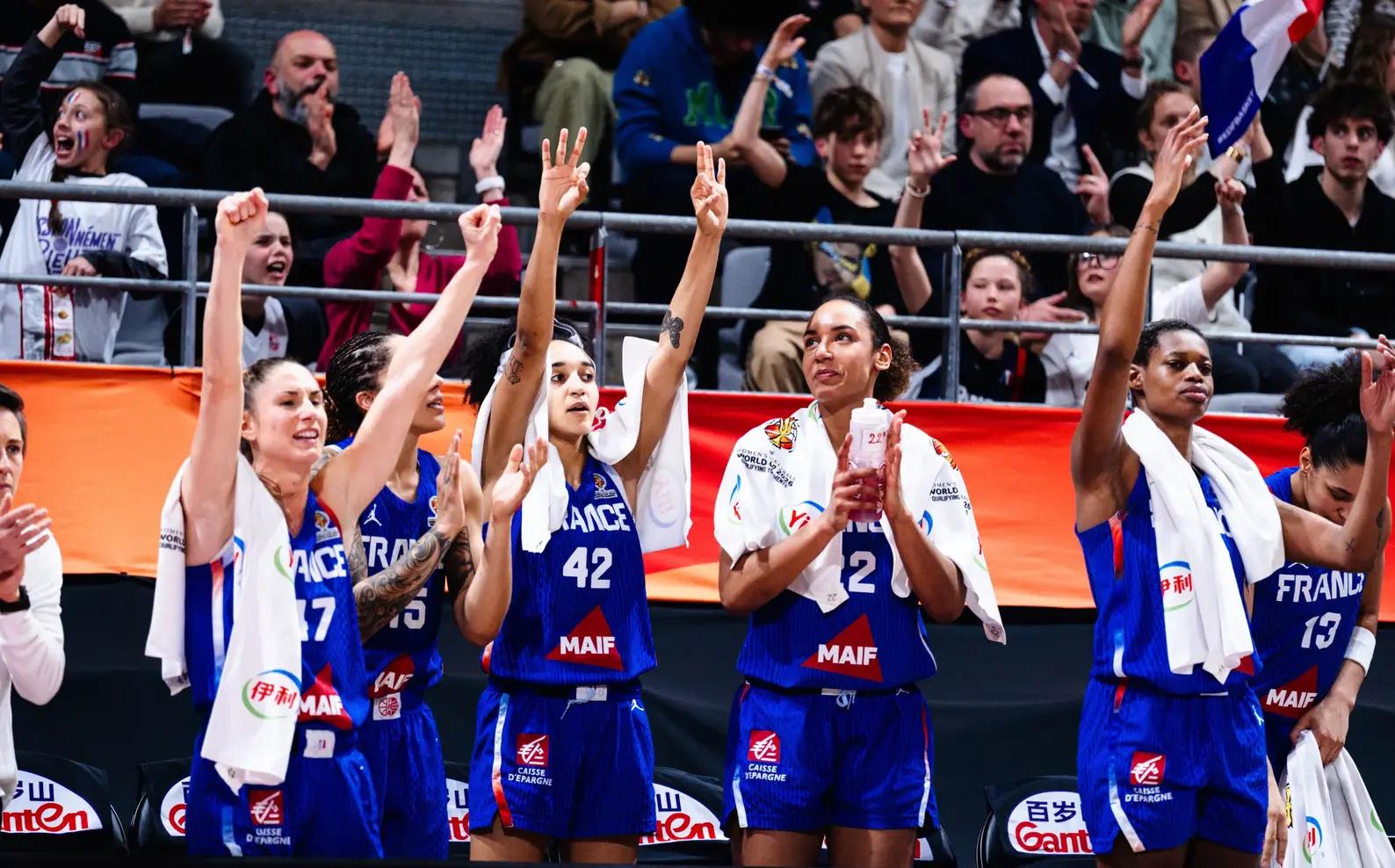
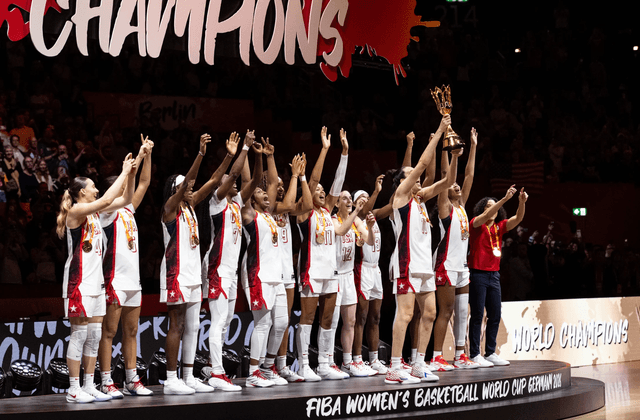
The FIBA Women’s Basketball World Cup returns this September, with Berlin, Germany, staging the 20th edition of the competition from September 4 to September 13, 2026. Sixteen national teams have qualified for the tournament, four more than the 12-team 2022 edition, and the United States arrives as the four-time defending champion after beating China 83-61 in the last final. The field, the draw, the schedule structure and the confirmed USA roster are now set.
Berlin sets the stage for a 20th world cup
Germany’s capital will carry the entire tournament on its own, with two venues in Berlin hosting every game from the opening tip to the final. The country qualifies automatically as host, a status confirmed as far back as April 28, 2023. Tickets for the September 4-13 window are already on sale through FIBA’s official channels.
This will mark just the second time Germany has ever appeared at the Women’s World Cup, following its only previous participation as host back in 1998. The 2026 edition also restores the tournament to a 16-team format, the same size used in every edition between 1990 and 2018, after the 2022 tournament was contested by 12 teams. The United States enter as the team to beat, having won the last four consecutive world titles, most recently defeating China 83-61 in the 2022 final.
Sixteen teams, several paths to qualification
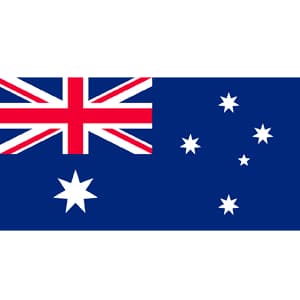
Beyond host Germany’s automatic berth, four more nations secured direct qualification by winning their respective continental championships in 2025: Belgium (W) through EuroBasket Women, the United States (W) through the Women’s AmeriCup, Australia through the Women’s Asia Cup, and Nigeria through Women’s Afrobasket. The remaining 11 places were decided through Qualifying Tournaments staged in Wuhan, Lyon-Villeurbanne, San Juan and Turkey, all held from March 11-17, 2026.
The 16 qualified teams are Australia (W), Belgium, China, Czechia, France (W), Germany, Hungary, Italy (W), Japan, Mali, Nigeria, Puerto Rico, South Korea, Spain (W), Turkey and the United States, according to FIBA’s official confirmation of the field.
The regional breakdown is historic on the European side: eight of the 16 teams come from Europe, a new record for a single World Cup that breaks the previous mark of seven, set in 1957. Asia and Oceania combine for four berths, while Africa and the Americas each send two teams — Puerto Rico and the United States representing the Americas, the region’s smallest World Cup contingent since 1967.
Streak-wise, Mali qualified for a second straight edition for the first time in its history, while Belgium and Puerto Rico have now qualified for every World Cup since their 2018 debuts. South Korea and the United States hold the longest active qualification streaks in the field, at 18 and 17 editions respectively.
The draw: four groups for the group phase
The draw split the 16 teams into four groups of four:
- Group A: Japan, Spain, Germany, Mali
- Group B: France, Nigeria, South Korea, Hungary
- Group C: Belgium, Australia, Puerto Rico, Turkey
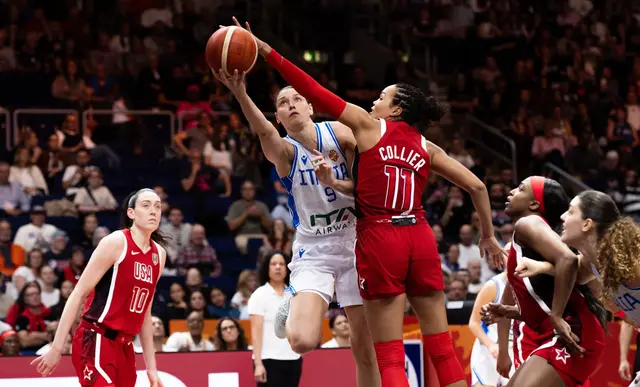
- Group D: United States, Czechia, Italy, China
Team USA landed in a group alongside Czechia, Italy, and China — the same opponent the Americans beat in the 2022 final. Host Germany is drawn in Group A with Japan, Spain and Mali.
Group B, C and D schedule and the road to the knockout rounds
The group phase for Groups B, C and D is scheduled to run from September 4 to September 7, 2026.
In Group C and Group D, the top-placed team advances directly to the quarterfinals, while the second- and third-placed teams also progress to keep their World Cup alive, setting up a knockout bracket that will play out across the closing days before the tournament closes in Berlin on September 13, 2026.
Returning teams and the biggest absentee
The 2026 field features several teams making long-awaited comebacks. Hungary returns after last appearing in 1998, while Italy is back after last appearing in 1994. Host Germany returns to World Cup play for the first time since it hosted the event in 1998. Czechia is back after missing the previous two editions, and Spain and Turkey both progressed this cycle after failing to advance in 2022. Nigeria also returns, having withdrawn from the 2022 tournament.
The most notable absentee is Canada, the fourth-place finisher from 2022, which failed to qualify for the World Cup for the first time since 2002. Canada was ranked seventh in the world — the highest-ranked team to miss out — while Hungary, ranked 19th, was the lowest-ranked team to actually qualify.
Team USA’s roster for Berlin
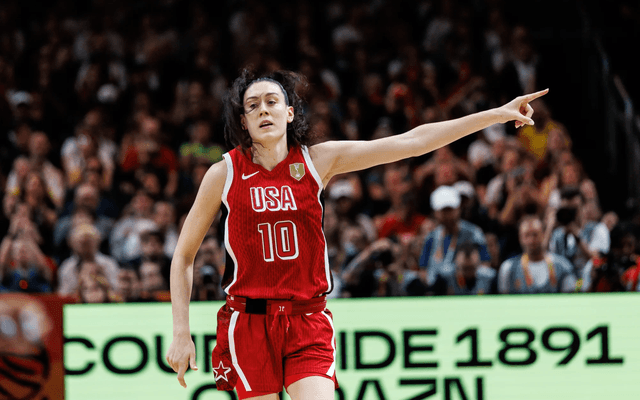
USA Basketball unveiled its 12-player roster for the tournament on August 6, 2026. The 12-player squad includes the following named players: Aliyah Boston, Paige Bueckers, Caitlin Clark, Napheesa Collier, Kahleah Copper, Chelsea Gray, Dearica Hamby, Rhyne Howard, Kiki Iriafen, Kelsey Plum, Angel Reese, and Jackie Young.
Bueckers, Clark, Iriafen and Reese will be making their senior national team competitive debuts at this tournament. Collectively, the roster carries a combined 58 WNBA All-Star selections.
Clark arrives on the back of a standout performance at the FIBA Women’s World Cup 2026 Qualifying Tournament in March, where she was named tournament MVP. She recorded seven points and seven assists against Spain on March 17, 2026.





















Comments (0)